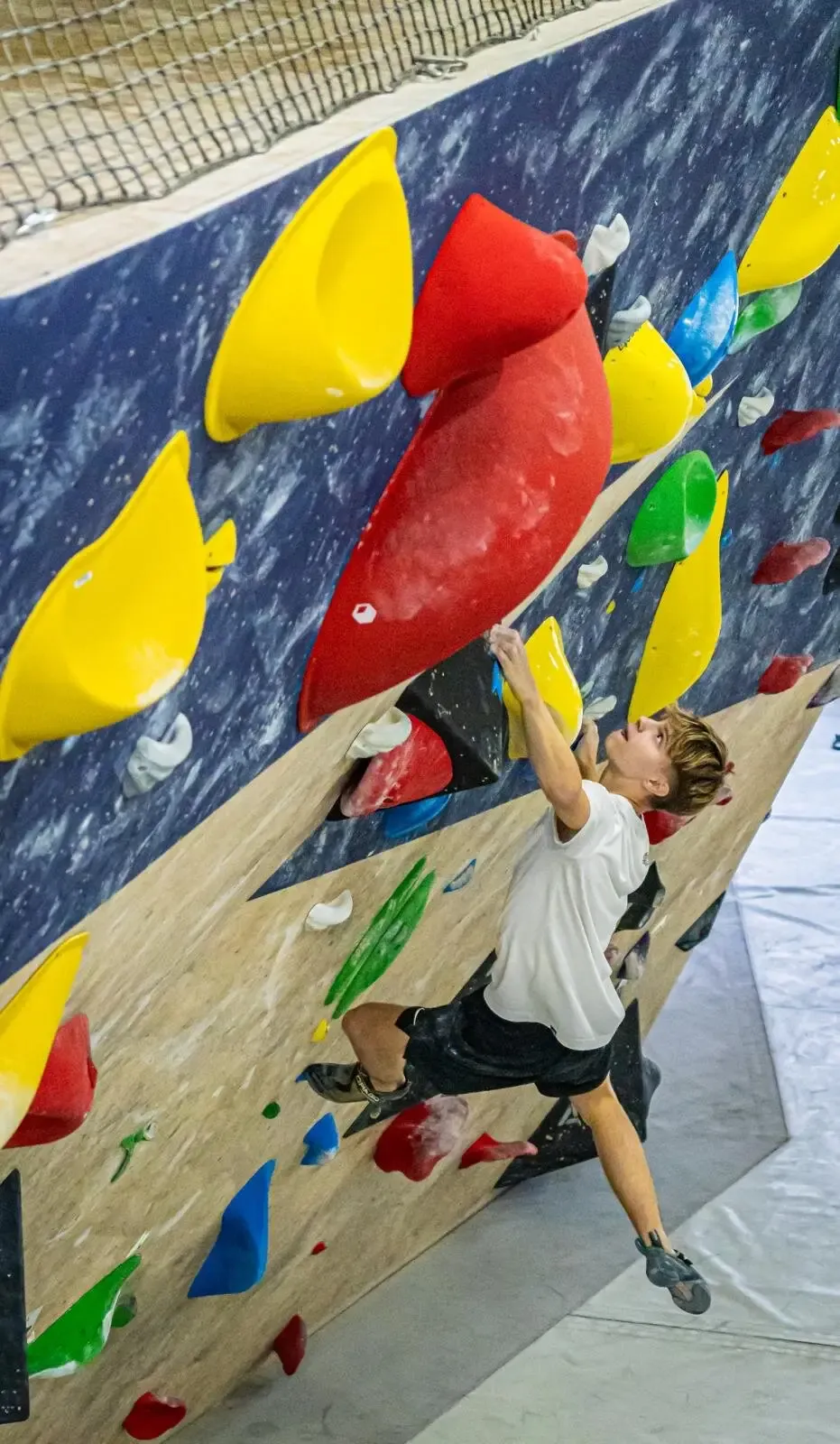
Group or individual training: which one do you need?
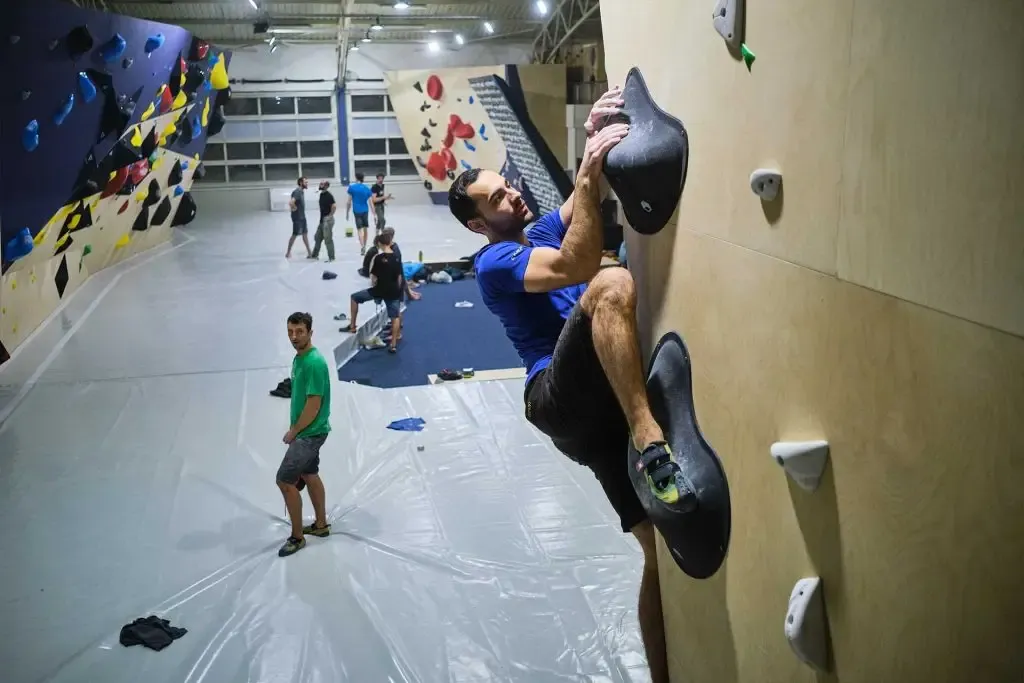
Choosing between group and individual training depends mostly on your goal, experience, available time and the way you like to train. For some people, the energy of a group is what gets them to training regularly, while others need a trainer's fully personal approach to reach a specific result.
In bouldering, the two options can complement each other perfectly. A group programme brings energy, shared experience and a dose of healthy competition, while individual training lets you work in detail on technique, strength, tactics and the weaker parts of your climbing.
When is group training the better choice?
Group training suits climbers who want to learn in a relaxed atmosphere, meet other people and keep training consistently. When you train in a group, it's easier to stay motivated even on days when you're not at your best.
In a bouldering gym, the group often becomes an important part of your progress. Someone will show you a different way to solve a problem, spot a foothold you missed or encourage you to give a hard move one more go. Watching other climbers isn't about copying their technique; it's a chance to better understand how your body, the holds and the wall work together.
Another advantage of group training is its clear structure. The trainer leads the programme, picks the exercises and adjusts the intensity to the participants' level. That way you don't have to work out what to do every time, and you can focus on climbing, learning and having fun.
Group training is especially useful if you:
- are just getting into bouldering
- want to learn the basic climbing techniques
- need extra motivation to train regularly
- like sharing your successes and failures with others
- want to get to know the climbing community in Zagreb.
For beginners, a group is a safe space to ask questions and try out new moves. The first progress often comes quickly: better balance, more confident footwork and more trust in your own body can be felt after just a few sessions.
The benefits of individual training
Individual training gives you the trainer's full attention and a programme shaped around your current level. Instead of a general plan, you get precisely targeted work on whatever you need most at that moment.
Maybe you have enough strength but waste energy because of poor body positioning. Maybe you climb slabs well but avoid overhangs. Maybe you regularly send problems graded 6a but want to move up to 6b. A personal trainer can analyse how you move, recognise the patterns that are holding you back and put together training with clear priorities.
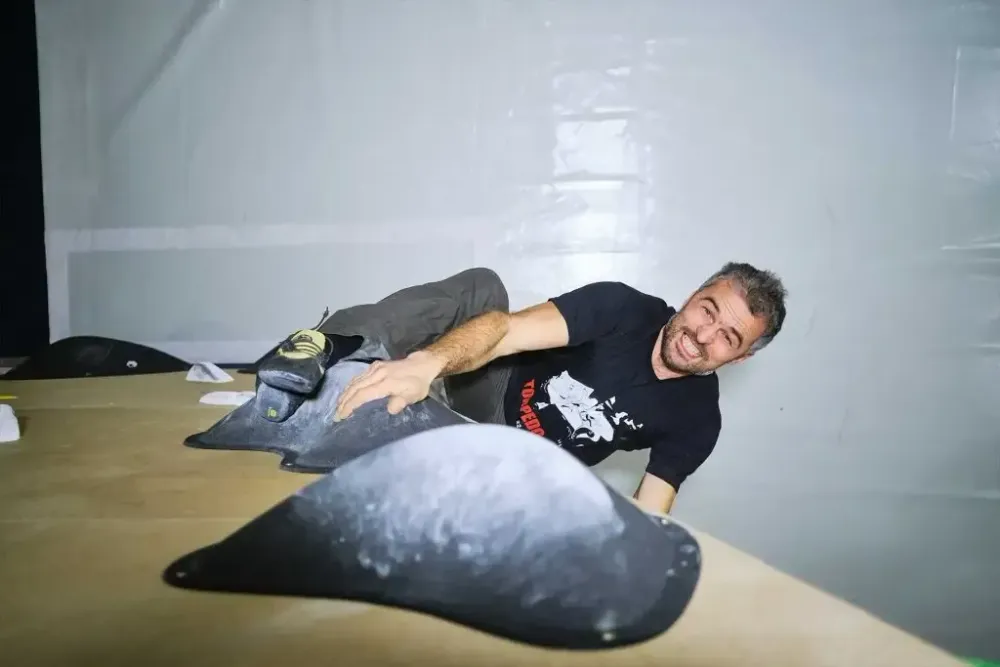
In individual training, time is used in a very targeted way. The programme can include work on technique, coordination, reading problems, finger strength, mobility or your mental approach to harder attempts. Every exercise has a specific purpose and is linked to the result you want to achieve.
This approach makes particular sense when you hit a plateau in your progress. After the initial gains, many climbers reach a stage where they no longer improve just by climbing more often. That's when it's important to change the way you train, find your weaknesses and bring in better-quality training. Individual work can help a climber who wants to push their grade, for example from 6a to 6b or from 7a to 7b.
How to choose training that fits your needs
Before signing up, ask yourself a few simple questions. Do you mainly want to learn the basics and build a routine? Do you need company to get you through the door? Or do you have a very specific goal you want to reach within a certain time?
If a sense of belonging, a regular slot and learning by working together matter to you, a group programme is probably the right place to start. It's also a good choice if you're coming back after a break and want to rebuild your confidence in movement.
If you already have some experience but feel you're going round in circles, an individual approach may be more effective. The trainer then isn't just working on getting you to do more attempts, but on making every attempt count. Sometimes all it takes is correcting your hip position, changing the rhythm of your movement or learning to rest better between attempts.
The combination that often works best
You don't have to pick just one option. Many climbers progress best when they combine group training with occasional individual sessions. The group brings consistency, fun and a variety of climbing styles, while individual training gives you precise direction when you want to tackle a specific obstacle.
At Boulder Zona, this approach is all the more valuable because you can train on a wide variety of boulder problems and in specialised zones, from the warm-up area to the Moon Board, Kilter Board and Spray Wall. What matters is that the programme you choose matches your level, but also keeps that sense of play that always makes you want to come back to the wall.
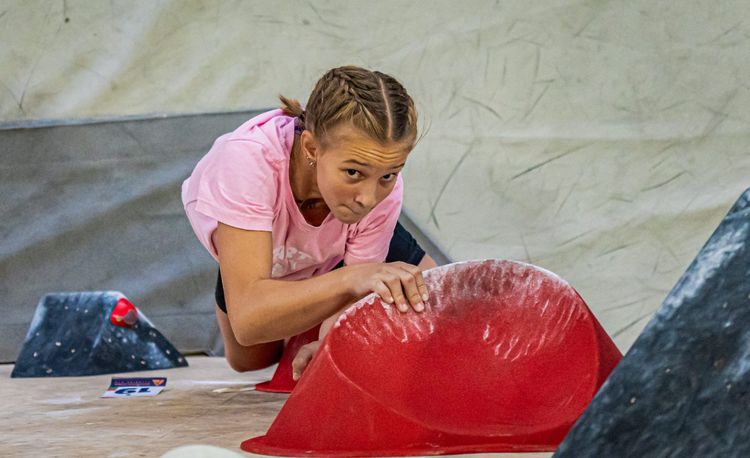
Art Rock League, round 3
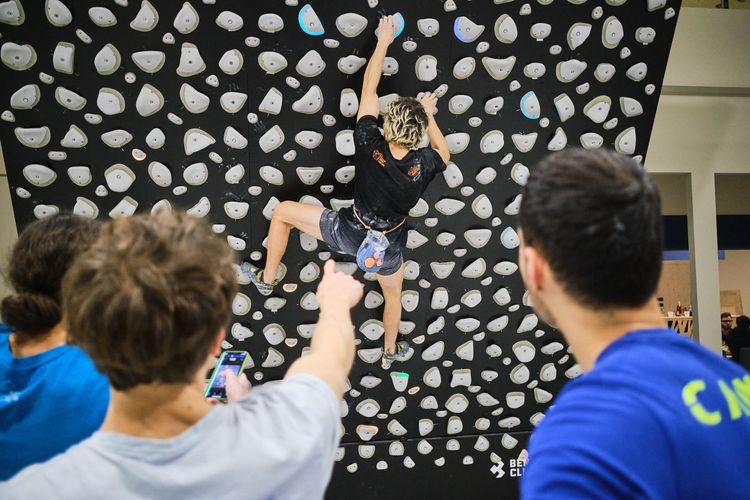
How to progress when you're stuck at the same level
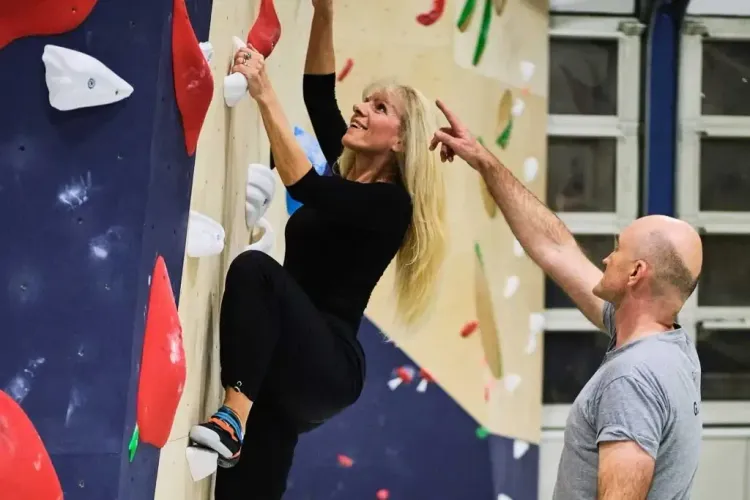
Team building in Zagreb: bring your team together through bouldering challenges