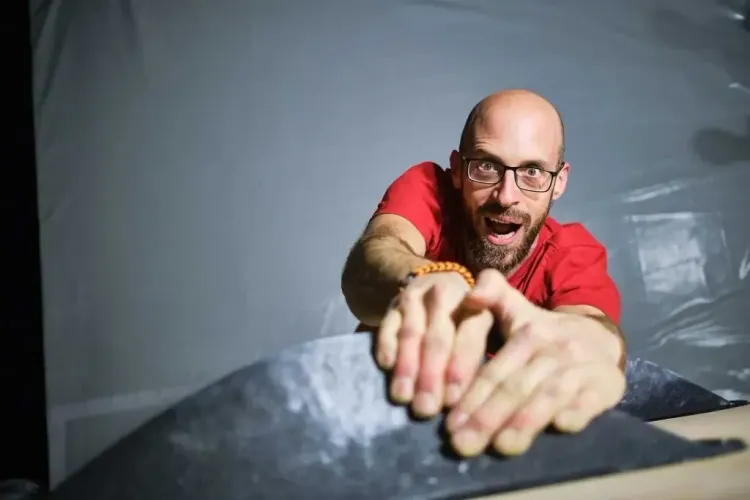
What do I need to know before my first visit to Boulder Zona?

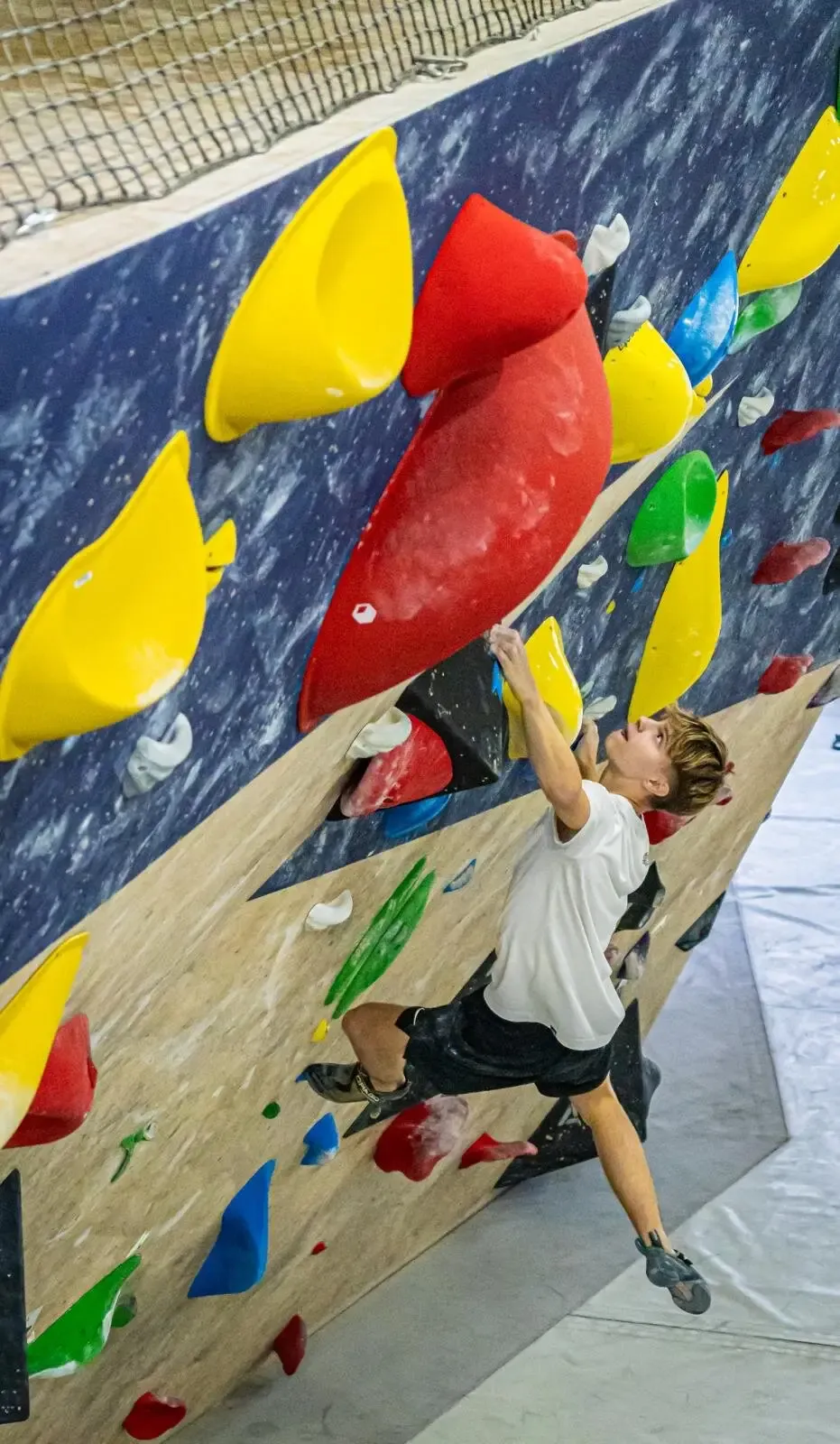
You don't need any previous climbing experience or your own gear for your first visit to Boulder Zona. Comfortable sportswear, a bit of curiosity and a willingness to try a different way of moving are all it takes. You don't need to be able to do a pull-up to start bouldering: balance, body position and using your legs matter just as much as strength.
Boulder Zona in Zagreb covers 1500 m², and alongside the climbing walls it has areas for warming up and stretching, as well as a kids zone. On your first visit, the most important things are to learn the gym rules, choose easy problems and leave enough time to rest between attempts.
What is bouldering and do you need a rope?
Bouldering is climbing on lower walls without a rope or a climbing harness. Under the wall there's a thick mat that cushions your landing, but it doesn't rule out the possibility of injury. That's why learning how to climb down and fall safely is part of your first steps, not something you leave for later.
Every boulder climb, which you'll also hear called a “problem”, is a short climbing challenge. The task isn't just to reach the top but to find a way to link the moves. Sometimes a small change in your foot position will help more than pulling harder with your arms.
What should I bring on my first visit?
Choose clothes that let you lift your knees, take a wide step and move your arms freely. A T-shirt and stretchy sports trousers are perfectly fine; you don't need special climbing gear.
Pack:
- Socks, especially if you're planning to hire climbing shoes.
- Flip-flops, because climbing shoes mustn't be worn to the toilet.
- A water bottle, so you have it to hand during breaks.
- A change of clothes, if you're heading off to other commitments after climbing.
Climbing shoes are special shoes that let you stand more precisely on small holds and footholds. They're available to hire at Boulder Zona, so you don't need to buy a pair before you've tried the sport. They should fit snugly but not cause severe pain; ask for help choosing the right size.
Chalk keeps your hands dry. Before using it, check the gym rules and ask which form is allowed. Take off rings, your watch and any jewellery that could catch while you climb.
How should I plan my visit?
Before setting off, check the current opening hours, the price list and the terms for hiring gear. Entry to the gym and a guided session aren't the same service, so don't assume a day pass automatically includes working with a trainer.
If you'd like to climb with expert guidance the first time, check the dates of the intro session or the intro course and how to sign up in advance. That way you'll know what's included and how to plan your visit.
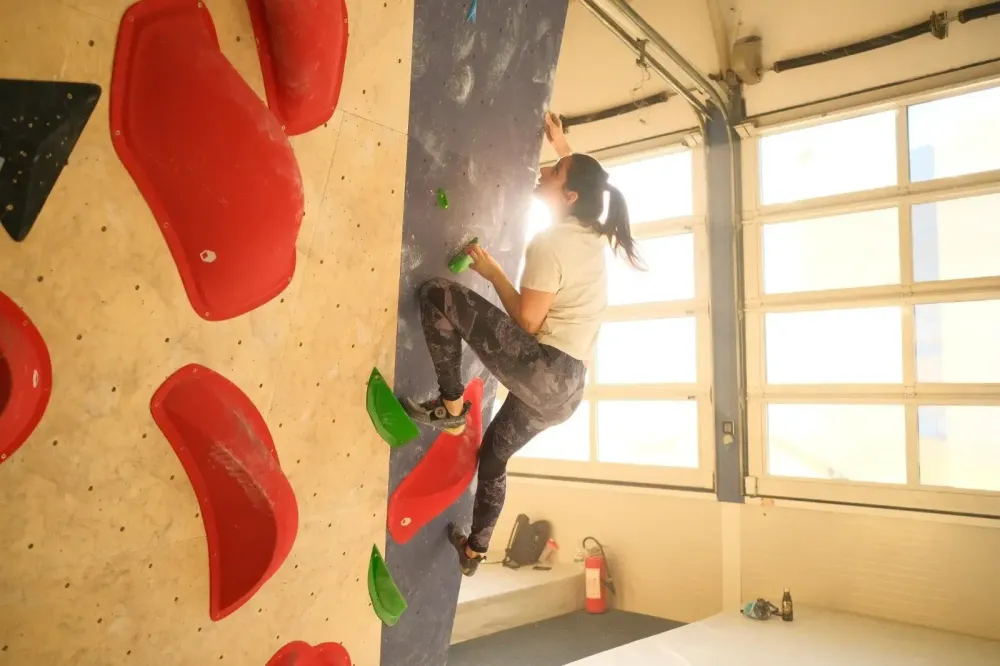
At reception, say that this is your first visit. Ask them to explain the difficulty markings, the start and finish holds and the rules for moving around near the wall. A few minutes getting to know the space will make your first attempts easier.
How do I choose my first problems?
Start by warming up off the mat: move gently and loosen up your joints, then move on to simple moves on the wall. For your first attempts, choose problems with bigger holds and positions where you feel stable.
Holds are what you grip with your hands, and footholds are where you place your feet. Learn how problems are marked when you're at the gym; don't assume a particular colour means the same difficulty everywhere.
Before you start, look at where you'll place your feet and in what order you can do the moves. Use your legs to lift your body instead of trying to do everything with your arms. If you get stuck, rest and then try a different hip or foot position.
What are the most important safety rules?
The mat isn't a place to sit, leave your things or walk under climbers. Keep an eye on the space above you and give the person climbing enough room: a fall can land somewhere other than the spot directly beneath them.
Before starting a problem, check whether your line crosses someone else's. Wait for the space to clear, even if you're climbing different problems.
Whenever you can, climb down in control using the holds rather than jumping off the top. Before you climb, ask for a demonstration of how to land properly and practise it from a low height as the staff show you. If the height makes you uneasy, you can stop sooner; finishing the problem isn't more important than staying in control of your movement.
How much should I climb and what can I expect after my first visit?
Your first session doesn't need to be long to be enjoyable. Take a break between attempts and finish while you can still hold on to the holds and place your feet with control. Don't wait for fatigue to force you to stop.
Early progress can be quick, and it's often followed by a plateau. Boulder Zona offers several levels of courses for beginners and experienced climbers, including those who want to push the grade they can climb. On your first visits, it's more useful to notice how much more confidently you move and how much more precisely you use your feet than to compare the difficulty of the problems you climb with the ones other people climb.
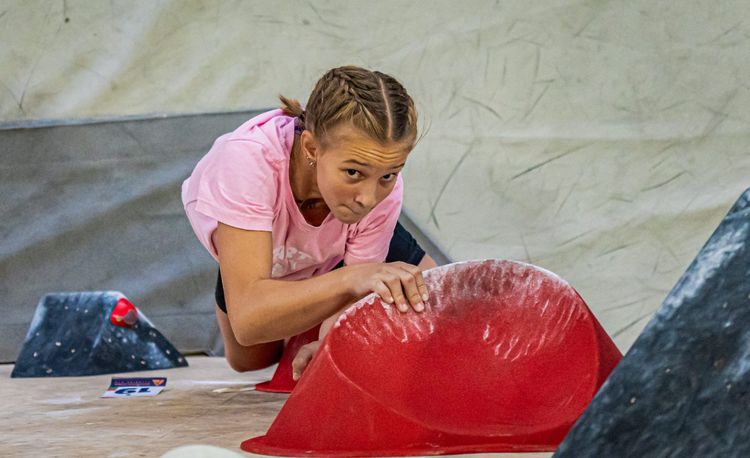
Art Rock League, round 3
What if I'm not strong enough for bouldering?

Team building in Zagreb: bring your team together through bouldering challenges