Team building in Zagreb: bring your team together through bouldering challenges
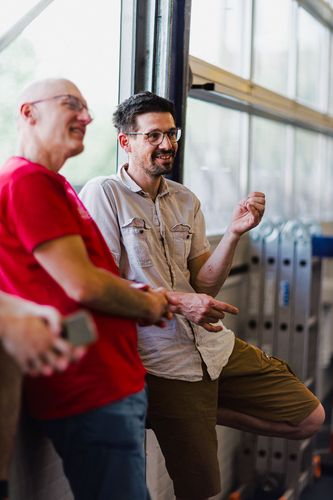
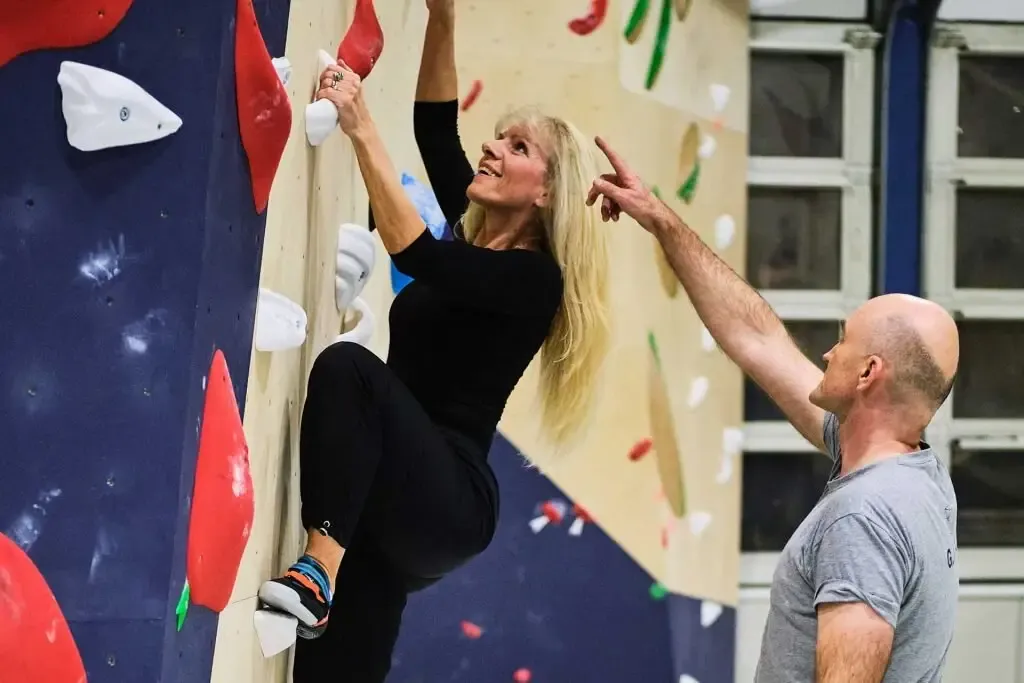
Good team building gives colleagues a chance to get to know each other away from meetings, deadlines and their everyday roles at work. When they face a shared challenge, there is room for a different kind of communication: someone suggests a solution, someone notices an important detail, and someone encourages the person who isn't yet sure about the next move.
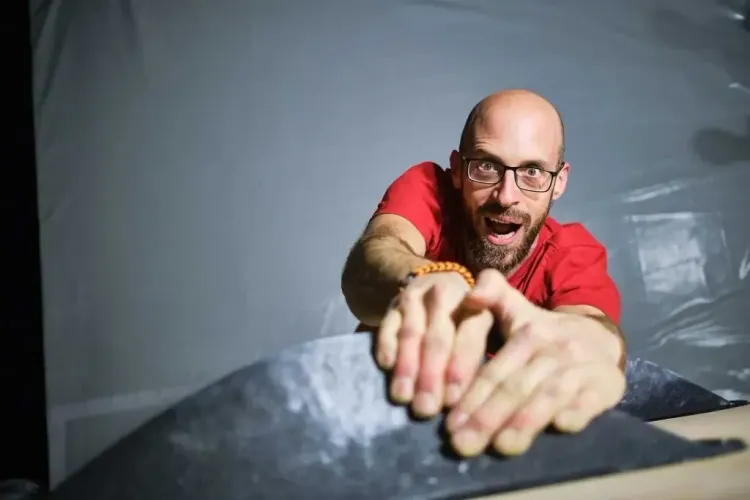
Bouldering brings together movement, thinking and mutual support, which makes it an interesting idea for teams that want an active get-together. Instead of one more conversation about collaboration, colleagues can experience it through a real climbing task, with plenty of room for laughter, attempts and small personal wins.
Why is bouldering an interesting team building activity?
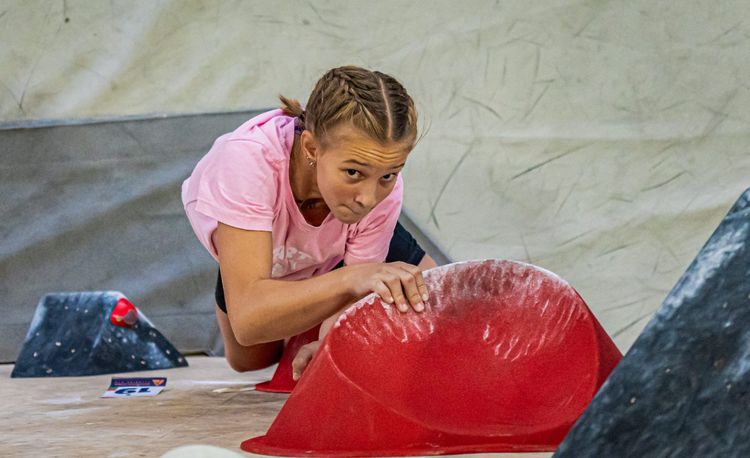
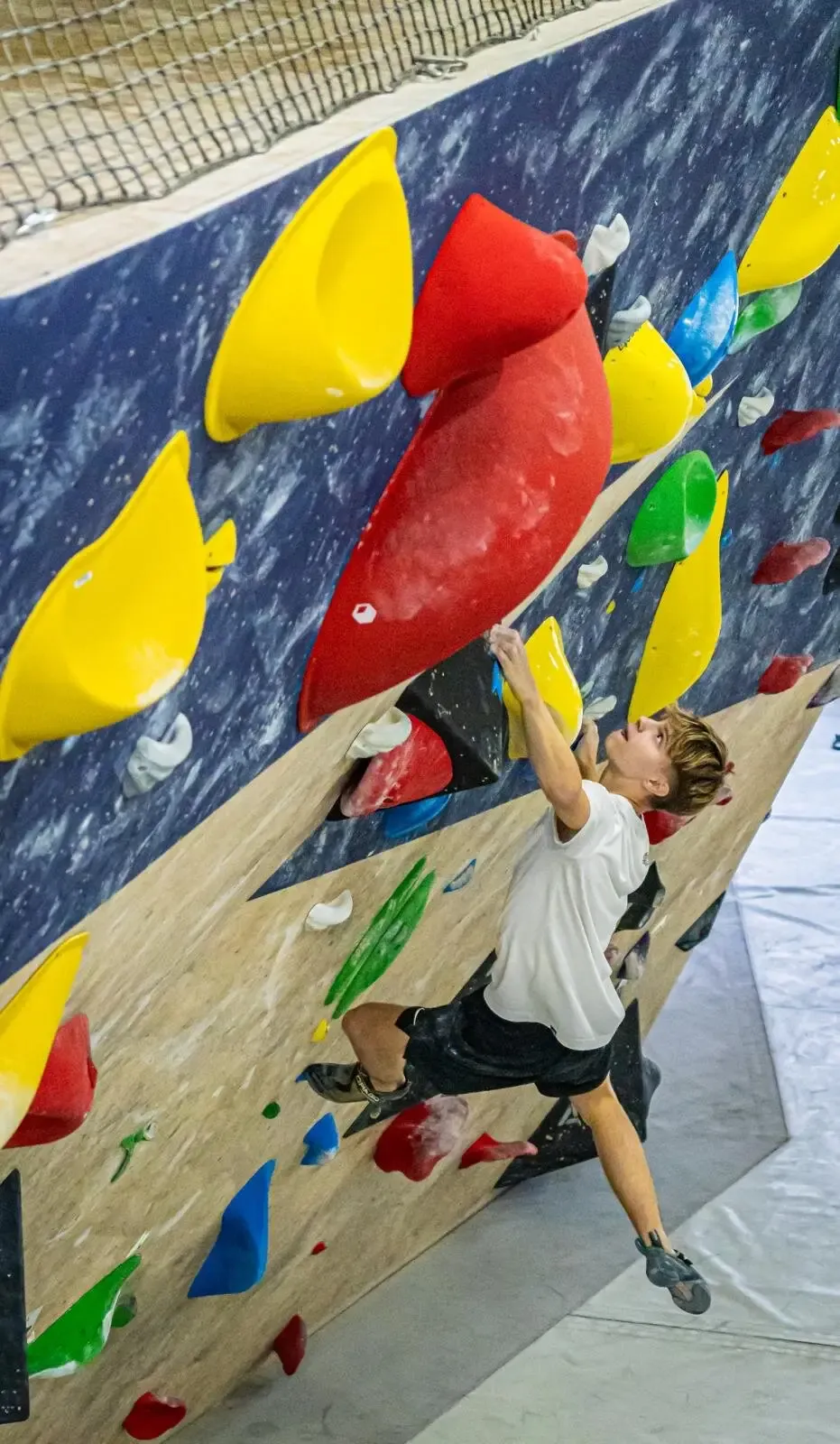
Bouldering is climbing on lower walls, without ropes, above crash mats. A boulder problem is a kind of spatial puzzle: you have to work out how to position your body, where to place your foot and in what order to link the moves.
That's exactly why this activity isn't just a physical challenge. Observation, patience and a willingness to change your approach all matter. A solution that works for one person may not work for another, so team members can compare ideas and discover different ways of reaching the goal.
You don't need any previous climbing experience to take part. It matters more to choose suitable challenges than to set the same bar for everyone. That way beginners can join in too, without feeling they have to keep up with the most experienced or strongest colleague.
Teamwork starts with watching and listening
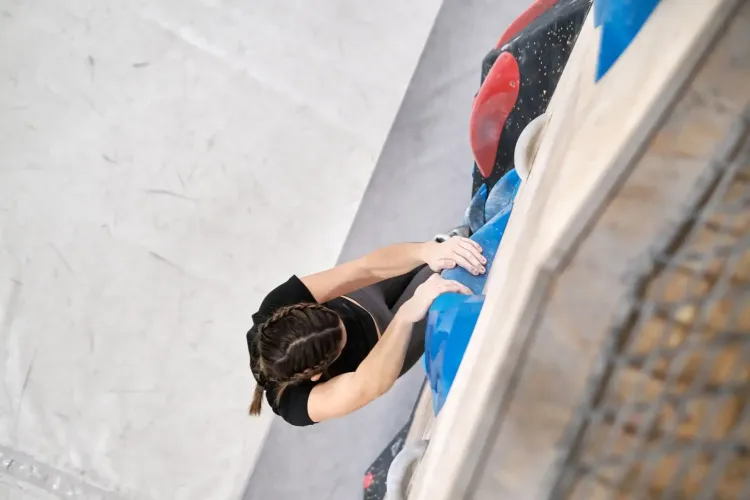
On the wall you quickly see how useful clear, well-timed information can be. A colleague watching the problem from a different angle may spot a hold or foothold the climber missed. A short suggestion is sometimes more helpful than several instructions at once.
A situation like this naturally raises the question of communication. Does the person need advice, more time or just a bit of support? Listening to the answer is just as important as making suggestions.
A climbing environment can also change a group's usual dynamics. An employee who is quiet in meetings may come up with a great solution here, while someone used to leading may need to accept help from others. It's a chance to get to know colleagues from a perspective that work rarely reveals.
Solving problems through attempts and adjustment
A boulder problem rarely gets easier just because someone tries it with more strength. Often you need to pause, look at how the holds are laid out and change your body position or the order of the moves.
It's this process that makes it interesting for a team. An attempt can be followed by a short exchange of observations: what worked, where the problem came up and what's worth trying differently. A mistake becomes useful information, not a reason to give up.
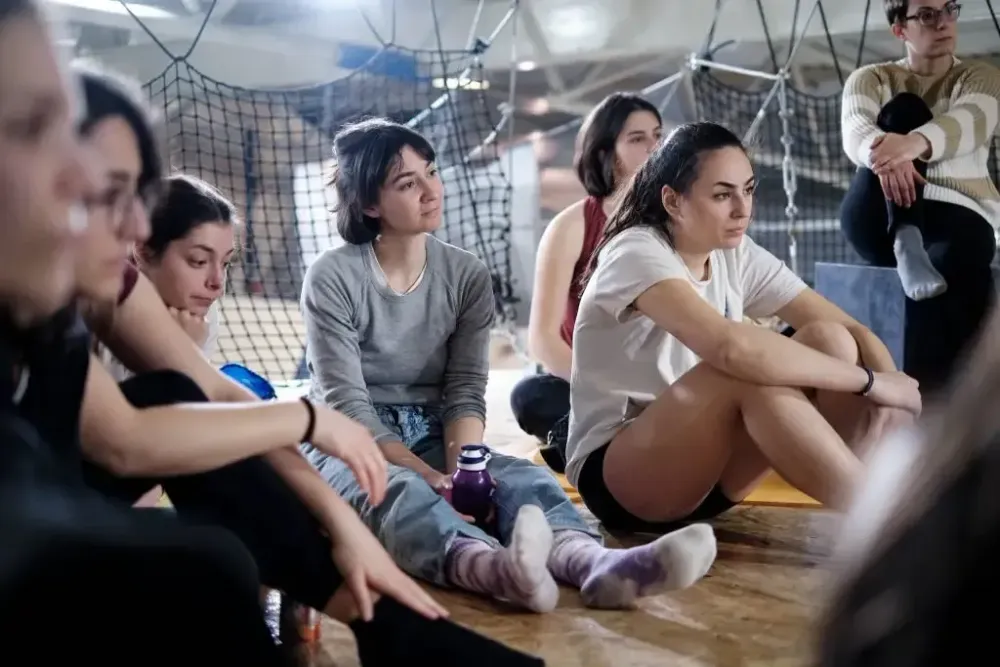
The shared goal doesn't have to be for everyone to climb the same problem. It can be for each person to find a solution that works for them, step outside their routine or help someone else make progress. An approach like this leaves more room for collaboration than for comparing results.
Team building in Zagreb with climbing challenges
Boulder Zona brings a new option for team building in Zagreb: a modern, exciting and adaptable climbing experience. The gym covers 1,500 m², and group climbing challenges combine an active get-together with opportunities to build team spirit.
The value of a get-together like this isn't just in the change of location. The wall gives the group something to share, so the conversation doesn't have to start with work. An interesting move, an unexpected solution or support during an attempt is enough to get colleagues involved naturally.
A space dedicated to bouldering also brings the team closer to a climbing culture in which sharing ideas and celebrating other people's success are a natural part of time spent on the wall together.
How do you choose challenges that include the whole team?
When planning the activity, it's worth taking into account differences in fitness, experience and how people feel about heights. Some will find climbing fun straight away, while others will need more time to get to know the space and the moves.
A good approach doesn't require everyone to take part at the same intensity. Watching, suggesting solutions and encouraging others also have their place in a group challenge. What matters is that these roles are part of the get-together, not a substitute for taking part that's forced on someone by discomfort.
A competitive element can bring energy, but it shouldn't take over the whole experience. If collaboration, ingenuity and personal progress are what count, more members of the team get the chance to contribute to the shared result.
Room to socialise between attempts
Team building doesn't only happen while someone is on the wall. The breaks between attempts leave time for conversation, swapping impressions and getting to know people you otherwise mostly deal with through tasks.
Someone will tell the story of how they finally linked two moves, and someone else will admit that a colleague's encouragement meant the most to them. It's these small, concrete moments that give the get-together a personal feel and create shared memories that don't depend on a climbing grade or on winning.