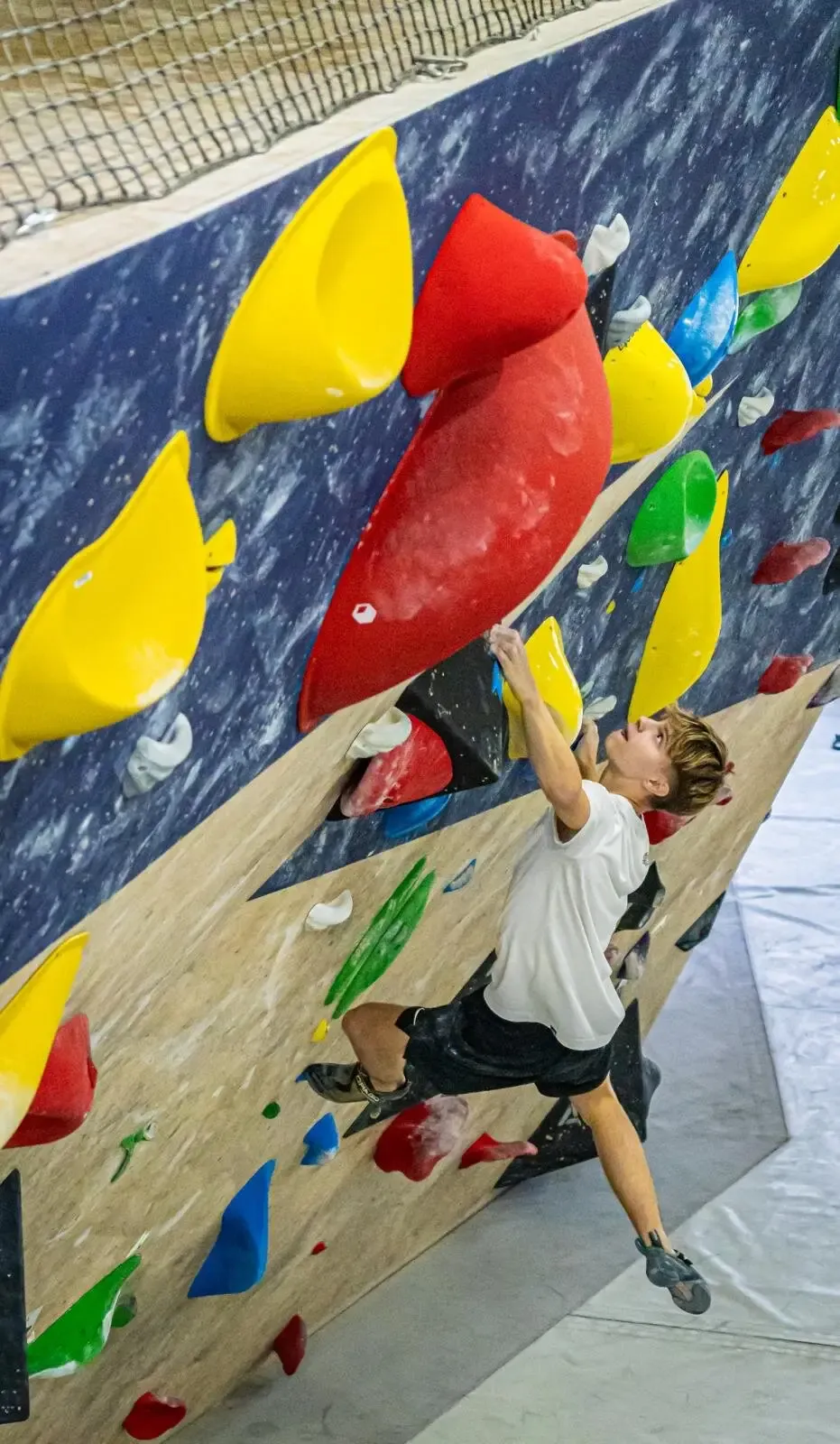
What makes good route setting in a bouldering gym
Good route setting in a bouldering gym isn't just about a problem being “fun” or having eye-catching holds. A well-set boulder problem brings together technique, strength, movement, safety and a clear idea. A climber on an artificial wall isn't only solving a physical task: they read the movement, look for balance, use their body in space and learn to adapt to different climbing styles.
That's exactly why setting is one of the most important elements of any serious gym. A good set shapes the atmosphere of a session, motivates beginners, challenges experienced climbers and creates the feeling that there's always something new to try.
Setting starts with an idea, not a drill
Every good problem has an intention. Before setting, the setter thinks about what they want to achieve: will the problem teach precise footwork, a powerful dynamic move, using your hips, balance on poor footholds or reading unusual body positions? Only then come the holds, the volumes, the wall angle and judging the grade.
A good set mustn't be random. If a climber is wondering on every hold what the idea actually was, the problem probably isn't shaped clearly enough. On the other hand, the best boulder problems often look simple, but start revealing their layers after the very first attempt: where your feet go, the angle of your shoulders, the direction you pull with your hand, the moment to shift your weight or take a controlled fall.
A setting team has to know its holds and its wall
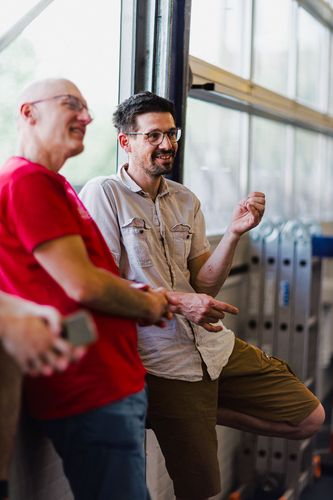
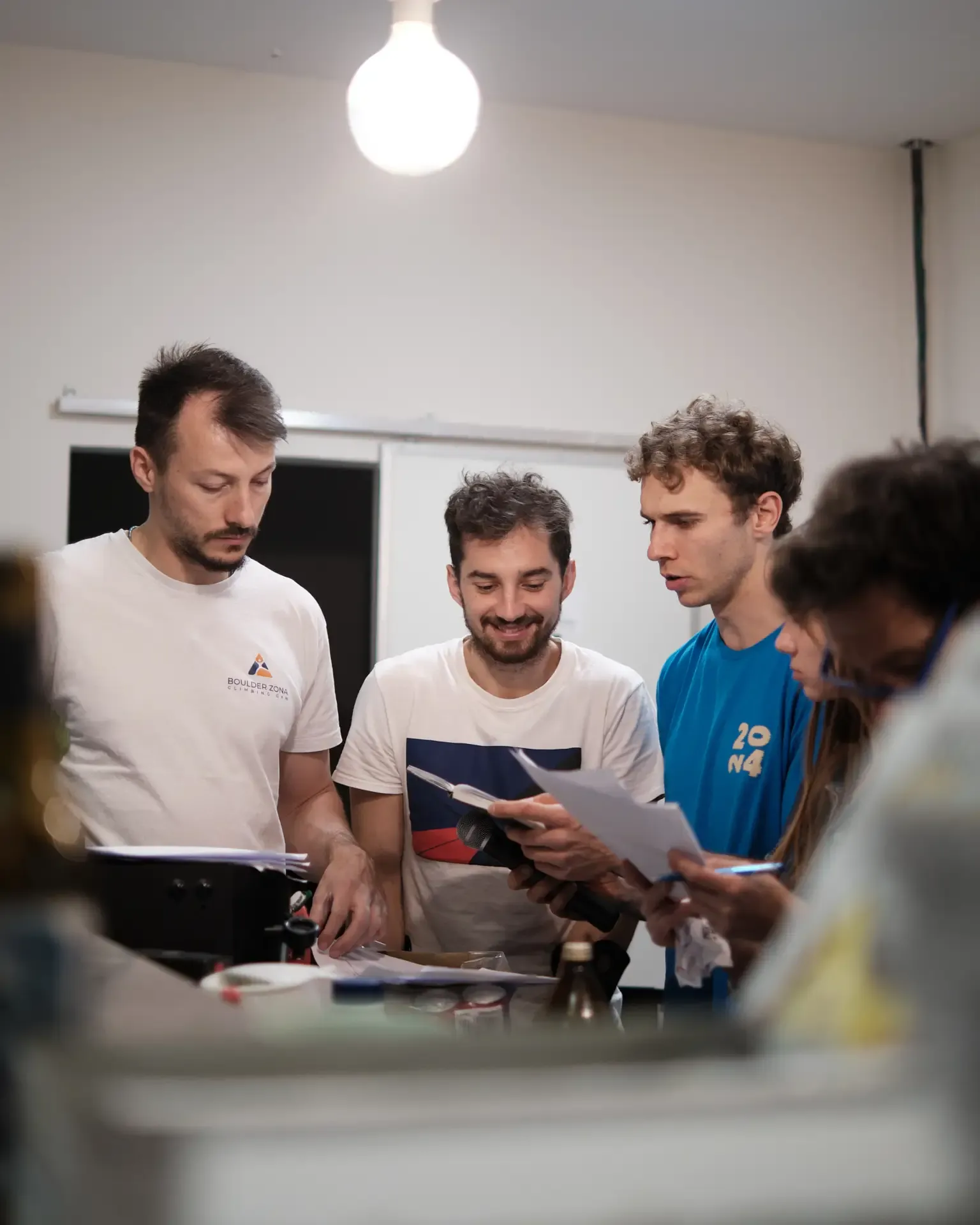
Setting is teamwork. A good team of setters needs to know the holds, the structure of the artificial wall, the angles, the safety zones and the way different moves affect the body inside out. Setting a problem on an overhang, a slab, a vertical wall or a big volume is not the same thing. Every angle calls for a different logic of movement.
Knowing the holds is especially important. The same hold can be easy on one angle and very demanding on another. A small crimp, a sloper, a pinch or a large feature each play a different role depending on their position, rotation and distance from the next move. The setter has to understand how the climber will read the problem and where the effort will build up: in the fingers, shoulders, core, legs or the coordination of the whole body.
A good setter doesn't only think about the strongest climber in the gym. They need to be able to set a problem for a beginner who's just learning the basics of bouldering, but also for an experienced climber looking for a project, a technical challenge or a problem at the limit of their ability.
Variety of styles keeps a gym alive
A good bouldering gym shouldn't have just one climbing style. If every problem is powerful, tall and reachy, some climbers will be left without a real challenge. If every problem is technical and static, there'll be no dynamism, coordination or explosiveness. Good setting has to include a range of styles:
- technical slab problems
- coordination boulders with dynamic moves
- powerful overhanging problems
- balancy problems on volumes
- problems that develop your footwork
- easier problems for beginners
- demanding projects for advanced climbers
That kind of variety makes climbing a well-rounded experience. Climbers build strength, technique, route reading, body control and mental resilience. A good set doesn't always reward raw strength alone; it often asks for patience, precision and the ability to make a move at exactly the right moment.
Regular resets keep motivation high
One sign of a good gym is a regular rhythm of new problems. At Boulder Zona we set twice a week, around ten to fifteen problems each time. That means climbers get about 25 new boulder problems every week, while at any given moment there are roughly 100 problems of different grades and styles in the gym.
That rhythm is hugely valuable for training. Beginners keep getting new tasks that teach them the basic moves, how to use their feet, good body positioning and how to fall safely. More experienced climbers have enough fresh projects to avoid stagnating and keep developing their technique. When problems change regularly, the gym stays dynamic and climbing never turns into repeating the same solutions.
Education and keeping up with trends are part of good setting
Bouldering is evolving fast. Competition styles, coordination moves, big volumes, modern holds and new ways of moving are constantly changing how problems are set. That's why a good setter can never stop learning. Training, visiting other gyms, analysing competitions and swapping experiences are all essential for setting to keep improving.
Following trends doesn't mean blindly copying popular moves. What matters is understanding why a style works, who it's for and how to adapt it safely to the space. A good set has to be modern, but it also has to make sense. A move should have a purpose, not be appealing just because it looks good on video.
That's why good gyms often invite guest setters too. A new setter brings a different signature style, different ideas and a fresh perspective. Climbers then get problems that knock them out of their habits and make them think differently.
Beer problems: a special tradition
Besides regular setting, problems that build community have a special value. At Boulder Zona, every Friday we set beer problems: one for men and one for women. These problems aren't just a training task, they're a social moment that brings climbers together and sparks attempts, comments, cheering and working out the beta together.
Good bouldering doesn't only happen between the climber and the wall. It also happens in the chat after a fall, in watching someone else's attempt, in learning from someone with a different style, and in the feeling that the gym is a place to meet people, not just a place to work out.
Safety is part of a problem's quality
An eye-catching problem isn't a good one if it isn't safe. The setter has to think about the fall zone, the distance from other problems, the position of volumes, how the body might twist in the air and how the climber gets down from the wall. Bouldering doesn't use a rope, so a controlled fall is an integral part of the experience.
That's why good setting weighs up not just how hard a move is, but also the risk. Beginner problems should let you learn safely, while more advanced problems can be more demanding but still have to respect the basic safety rules. Kit like climbing shoes, chalk and suitable clothing helps, but a well-set problem remains the foundation of safe climbing.
Good setting on an artificial wall brings it closer to the logic of real rock, while making the most of what a gym offers: colours, shapes, angles and a rhythm of change. When a set is thoughtful, varied and regularly refreshed, every visit to the gym brings a new experience, a new problem and a new move worth trying.
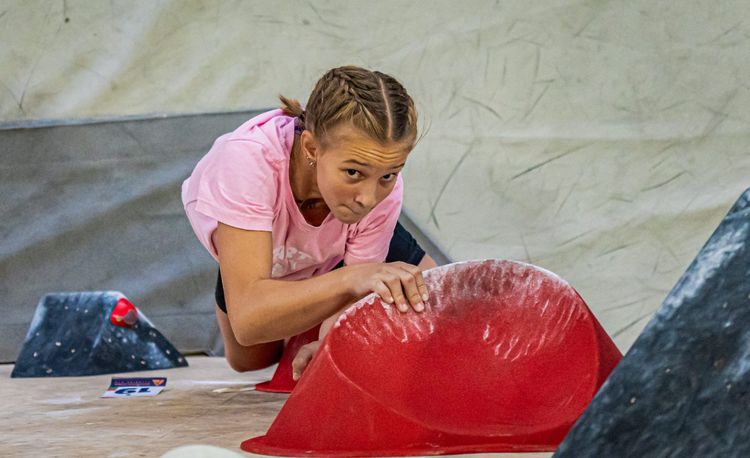
Art Rock League, round 3
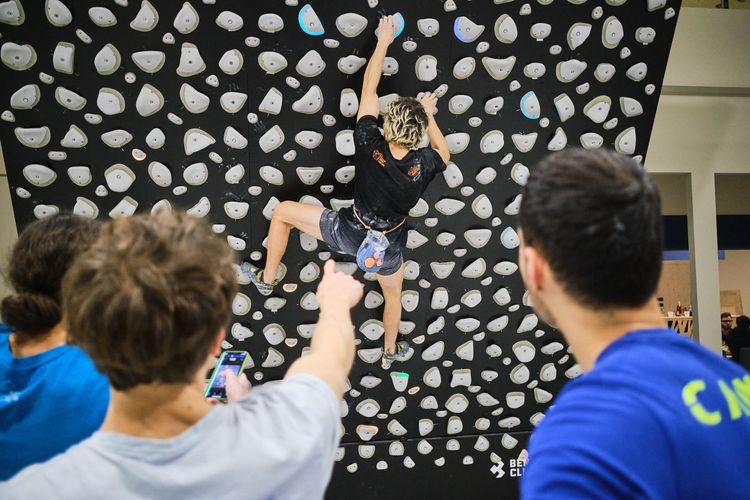
How to progress when you're stuck at the same level

Team building in Zagreb: bring your team together through bouldering challenges