Balance on the wall and in children's development: the benefits of climbing summer camps
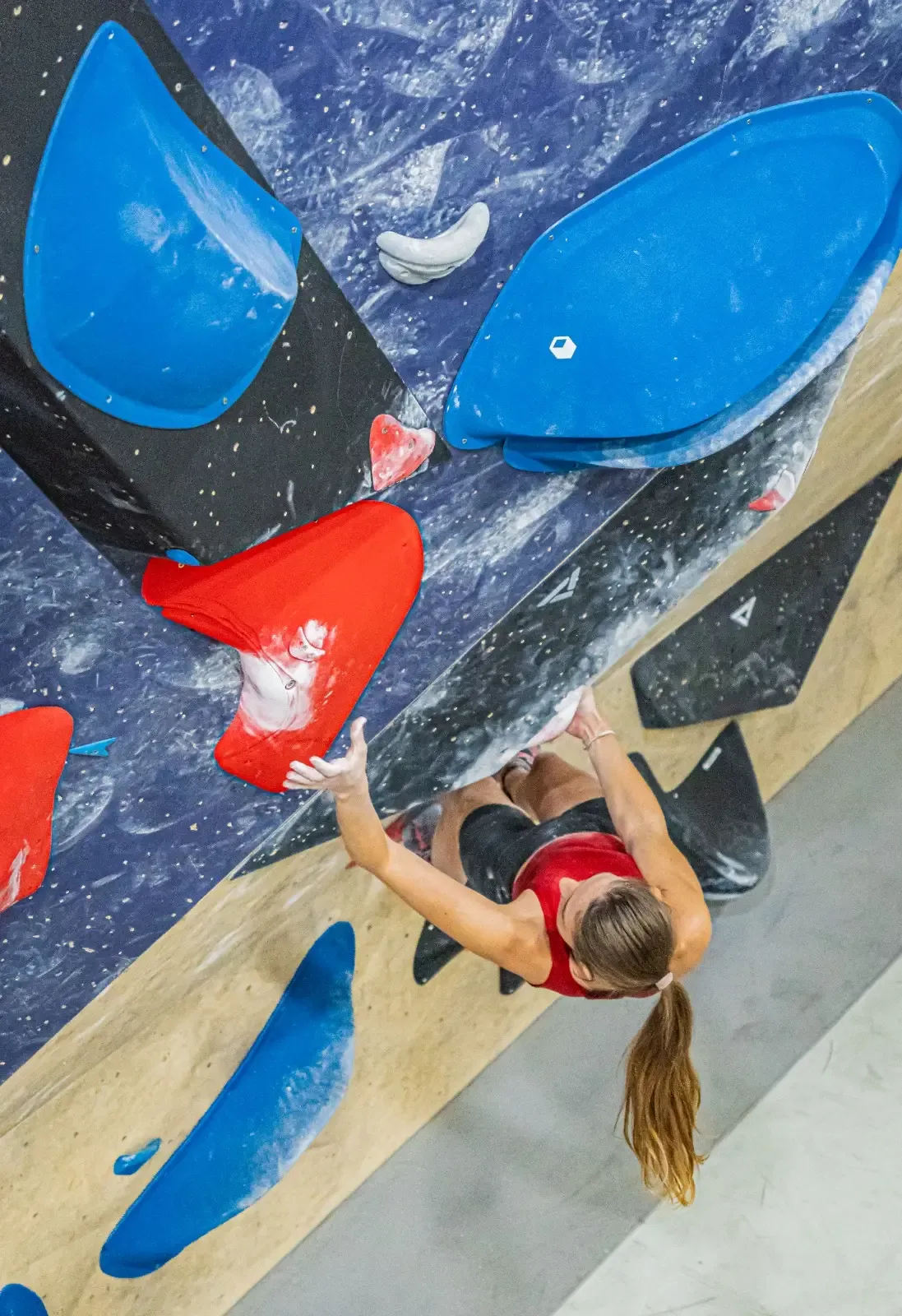
Balance on the wall is rarely just a matter of the body. While a child searches for a foothold, judges which way to move, controls their breathing and decides whether to try a harder move or take a step back, they are also developing a whole range of skills that matter in everyday life. That is exactly why climbing isn't just a sport, but also a powerful tool for children's all-round development.
Climbing shows very clearly how closely movement, attention, self-confidence and responsibility are linked. A child learns how to deal with a challenge, how to stay composed when the solution isn't immediately obvious and how to progress from one attempt to the next through their own experience. This process builds an inner balance that is just as important as physical balance on the wall.
Why climbing is a particularly good activity for children
Plenty of sports have a positive effect on growth and development, but climbing has a few special qualities. It brings together strength, coordination, flexibility, concentration and decision-making all at once. A child doesn't just repeat a set pattern of movement, but actively thinks about every next step.
An activity like this supports physical development, but also a sense of personal competence. When a child manages to solve a problem that felt hard at first, they get concrete proof that effort pays off. That experience matters a great deal, because it builds resilience, patience and a healthy relationship with failure. Instead of giving up, they learn that progress often comes from many attempts.
Climbing is also a sport in which children naturally learn responsibility and trust. They learn to listen to instructions, respect the rules of the space and look out for themselves and others. With expert supervision, a programme like this becomes a safe and encouraging environment in which to grow.
Balance as the foundation of healthy development
When we talk about children's development, balance means much more than staying steady on your feet. It is about the relationship between movement and rest, play and discipline, independence and support from adults. Children today often lack exactly this harmony between different experiences.
Screen time, busy schedules and too little free movement can reduce the chances to explore their own abilities spontaneously. That is why activities that bring children back to movement, focus and time in nature are so valuable. A climbing camp offers exactly that: active time, a structured programme and an experience that connects body, attention and emotions.
A camp like this doesn't just develop children as little athletes. It develops them as people who find it easier to recognise their own limits, handle frustration better and step into new situations with more confidence. That is the value of climbing camps, and it goes well beyond climbing technique itself.
Why climbing summer camps matter for children
Summer is the ideal time for activities that give children more than ordinary entertainment. A climbing summer camp combines movement, friendship, learning and time in nature into an experience that stays with them long after the programme ends. In just a few days, a child goes through a series of situations that encourage independence and social development.
At camp, children spend time with their peers, take part in shared activities and learn how to function as part of a group. That includes waiting their turn, working together, cheering each other on and respecting shared rules. An experience like this is very important for developing emotional maturity.
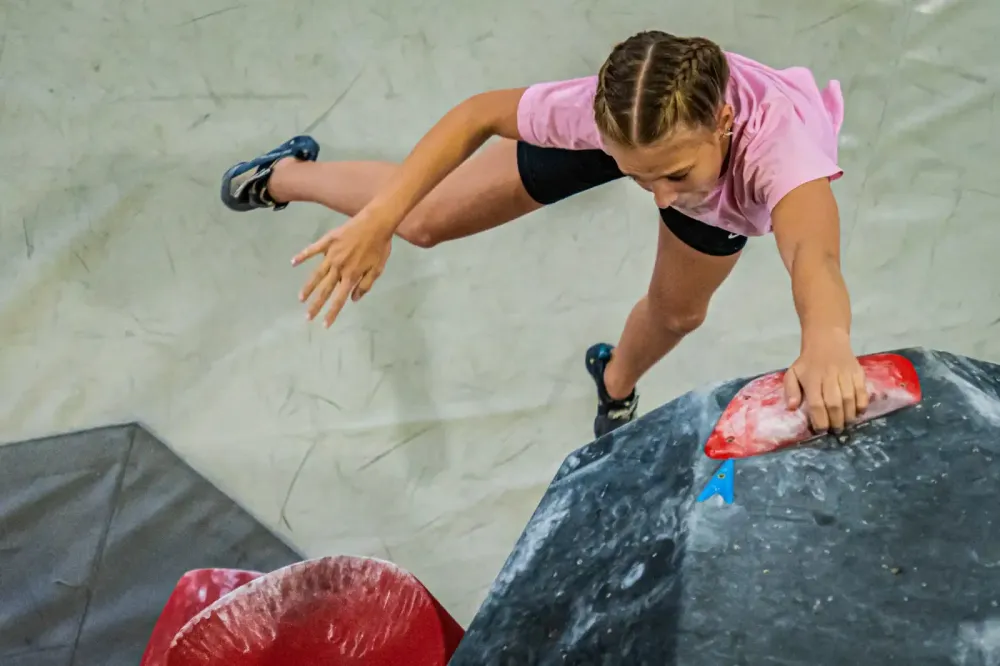
There is added value in the fact that the child leaves their everyday routine and enters a new but controlled environment. This is exactly when adaptability, resourcefulness and openness to new experiences come to the fore. A climbing camp thus becomes a place where children grow through challenge, but without unnecessary pressure.
Time in nature as an important part of the experience
Time in nature has a strong effect on children's attention, mood and overall wellbeing. When a child spends time in the fresh air, on the move and away from indoor spaces, they get an experience that is increasingly rare today, yet increasingly needed. Time in nature isn't just a change of location, but also a different rhythm of life.
In a natural setting, children more easily develop a sense of presence and real contact with their surroundings. Climbing, walking, camping and group activities strengthen their sense of connection with the environment and encourage a healthy relationship with their own abilities. Time in nature also helps children let off excess tension, improve their concentration and rest better.
When this kind of activity is part of a summer camp, the experience gains extra depth. A child doesn't just learn climbing as a technique, but also how to find their way in a new place, how to respect nature and how to enjoy active time without a constant need for digital stimulation.
What a good climbing programme for children looks like
A good programme isn't about the number of activities, but about how meaningful they are. Children need content suited to their age, a clear daily structure, expert instructors and constant supervision. It is important that a camp includes challenge but also safety, freedom to play but also clearly set rules.
In this respect, programmes that combine indoor climbing with an experience of nature particularly stand out. When children spend part of their time in a well-organised, expertly run space and part on a trip and camping, they get a balanced experience that brings together learning, fun and development.
Boulder Zona shapes its climbing summer camp around exactly this idea. The five-day and seven-day packages include a trip into nature with camping and a mini climbing school at Boulder Zona. This approach lets children develop climbing technique, a sense of responsibility and confidence in their own abilities through play, movement and a guided programme.
For many children, this experience is their first real encounter with a sport that teaches them how to stay calm under challenge, how to trust their own body and how to find balance when the way to the top isn't entirely simple.
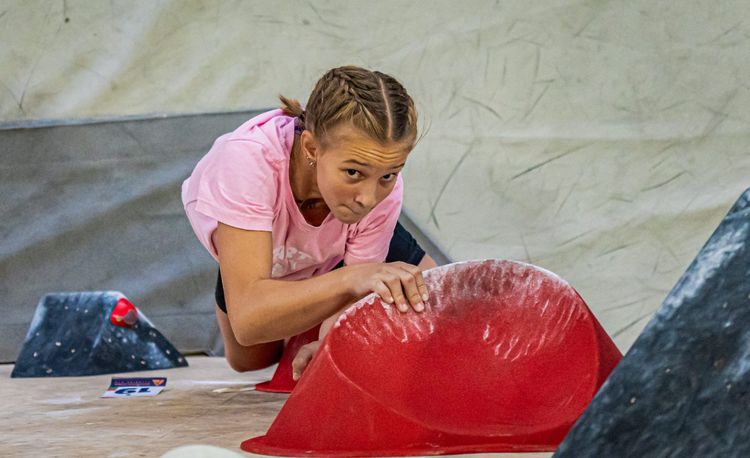
Art Rock League, round 3
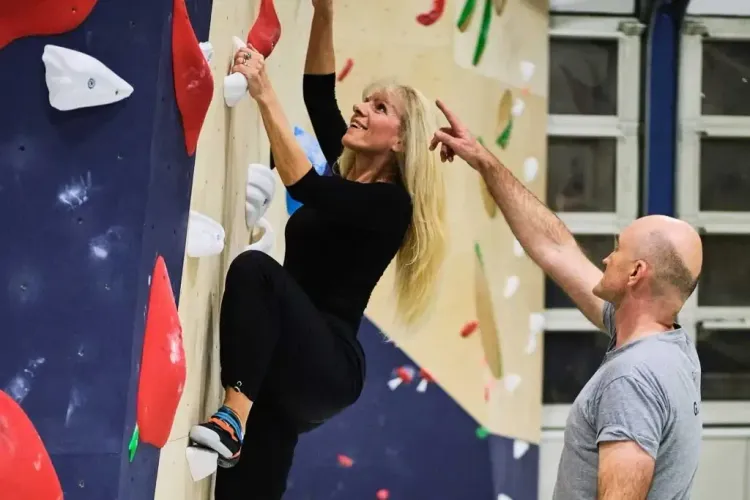
Team building in Zagreb: bring your team together through bouldering challenges
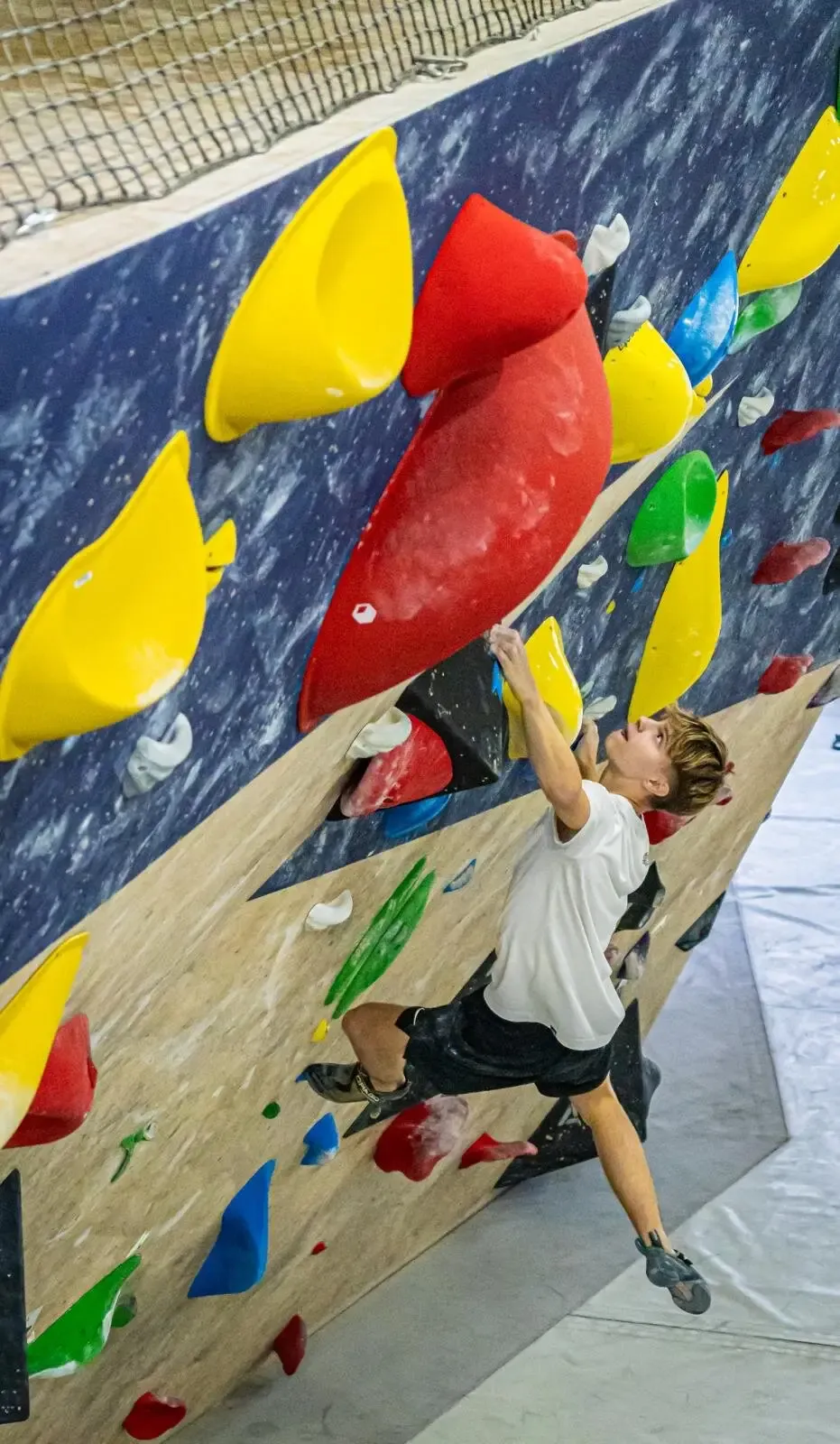
What do I need to know before my first visit to Boulder Zona?