Blisters and cracked skin: first aid for climbers
A blister on your palm, torn skin on a fingertip or a crack on your heel can cut a good climbing day short in an instant. In bouldering, friction, pressure from holds, sweat and frequent use of chalk are a constant part of training, so your skin needs as much attention as your technique and strength.
The most important thing is to react as soon as you notice stinging, redness or tenderness. That way a small irritation can often be stopped before it turns into a painful wound that makes you skip several sessions.
What should you do when you get a blister?
A blister forms when layers of skin move against each other because of repeated friction or pressure. Blisters are most common on the fingers, palm, heel and ball of the foot, especially if new shoes don't fit well or the session was longer and more intense than usual.
If the blister is intact, meaning it's filled with fluid, don't pop it yourself. The top layer of skin acts as natural protection for the wound and reduces the chance of infection. Gently wash the area with water and a mild cleanser, pat it dry and cover it with a soft plaster or a padded dressing.
A hydrocolloid plaster can be a practical choice when the blister hurts as you walk or when your shoe puts extra pressure on it. This kind of dressing protects the sensitive spot, eases the pain and can help the wound heal faster. Still, no plaster will fix the problem if you keep climbing in the same shoes or at the same training intensity that caused the friction.
With a blister on your finger or palm, take a break from the moves that keep opening it up. Sometimes a day off is enough, and sometimes you need to change your training plan and build finger strength gradually, instead of making powerful dynamic moves on sharp holds.
If the blister has burst or the skin has torn
A burst blister or a “flapper”, a piece of lifted skin on your palm or finger, needs a little more careful attention. First wash your hands. Then gently rinse the wound with clean water, remove any dirt and carefully dry the skin around it.
Don't pull off the remaining skin if it's still attached and clean. It can protect the sensitive surface underneath. Cover the wound with a sterile, non-stick dressing or a plaster, especially if you're going to the gym, touching shared surfaces or wearing shoes that press on the damaged spot.
Climbing on an open wound usually just drags out the healing. Chalk dries out the skin, and friction against the holds reopens the freshly formed layer of skin. If you do need to protect a finger, sports tape can reduce mechanical damage, but it's no substitute for cleaning the wound and resting.
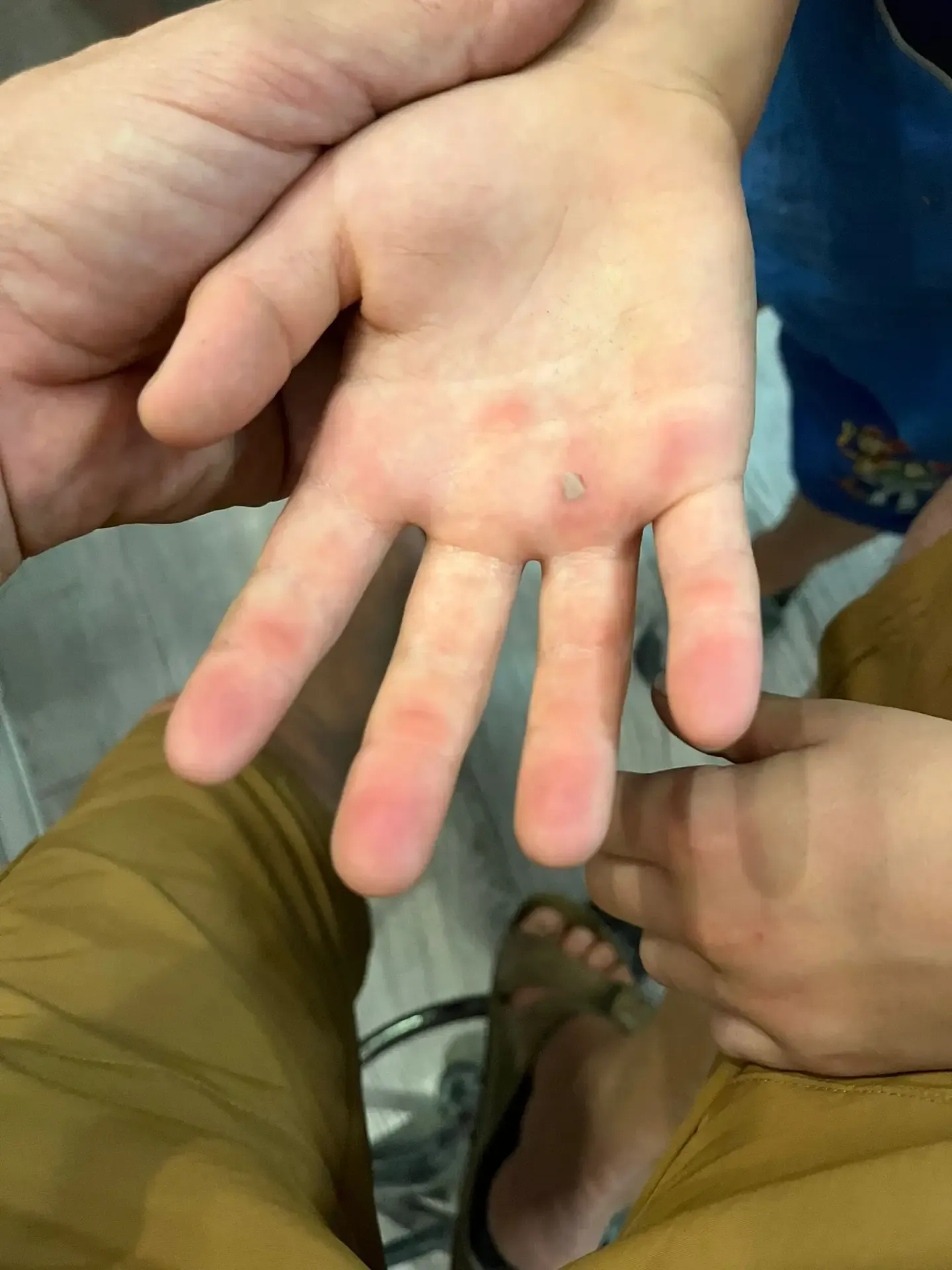
Cracked skin: tiny splits that can really hurt
Cracks often appear on fingertips, around the knuckles, on the palms or on the heels. In climbers they're caused by a combination of dry skin, chalk, frequent hand-washing and abrasion on the wall. On your feet, tight climbing shoes, sweating and the pressure of standing on small footholds can make the problem worse.
After training, wash your hands and feet, dry them well and apply a nourishing cream or ointment. For very dry, thickened skin on your heels, creams with urea are useful, while plain petroleum jelly can help form a protective layer over small cracks. For deeper cracks, a liquid plaster can reduce pain and keep dirt out.
It's better to apply cream after climbing rather than just before you get on the wall. Softer, freshly moisturised skin slips more easily on holds and can be more prone to fresh damage.
How to prevent blisters on your feet
Climbing shoes should be snug and precise, but they mustn't cause sharp, constant pain or pins and needles in your toes. New shoes are especially likely to cause blisters, because the material hasn't yet moulded to your foot and your foot isn't used to the new pressure point.
Give a new pair time. Instead of a long session on day one, wear them for shorter spells and notice where you feel friction. If the same spot keeps getting irritated, protect it with a plaster before climbing or think about whether the shape of the shoe suits you.
A few simple habits help too:
- keep your feet clean and dry before putting your shoes on
- trim your toenails so they don't press on your toes inside the shoe
- don't ignore stinging on your heel or toe during a session
- avoid climbing in the same damp trainers or socks after your warm-up
- check your skin regularly, especially after longer sessions
When a blister or crack needs medical advice
Spreading redness, warm skin, swelling, yellow or green fluid, throbbing pain and a raised temperature can all point to an infection. In that case, don't keep training through the wound; get medical advice.
People with diabetes, poor circulation or reduced sensation in their feet should see a health professional even for minor cracks, blisters or wounds that aren't healing properly. For them, infection and skin damage can develop faster and need a more careful approach.
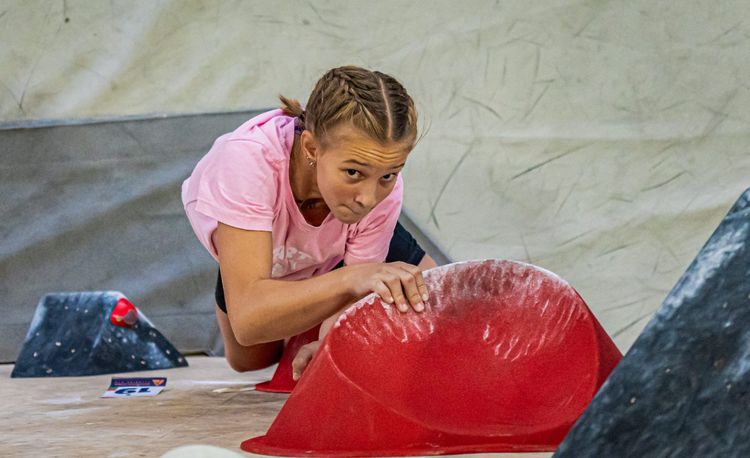
Art Rock League, round 3
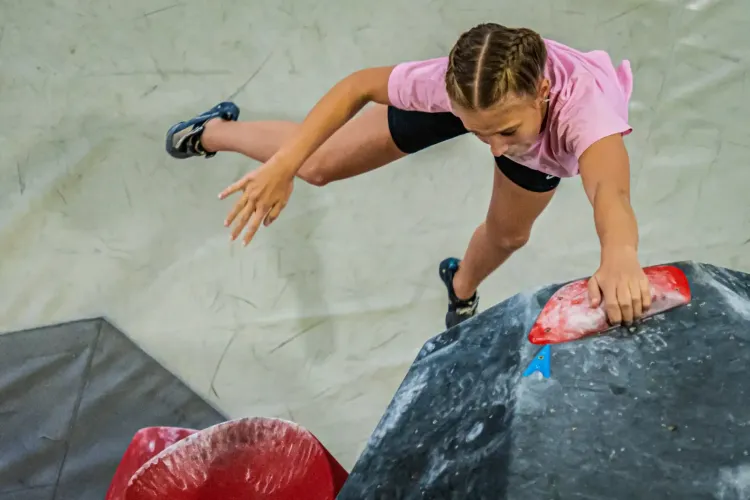
How to build finger strength without rushing

Team building in Zagreb: bring your team together through bouldering challenges