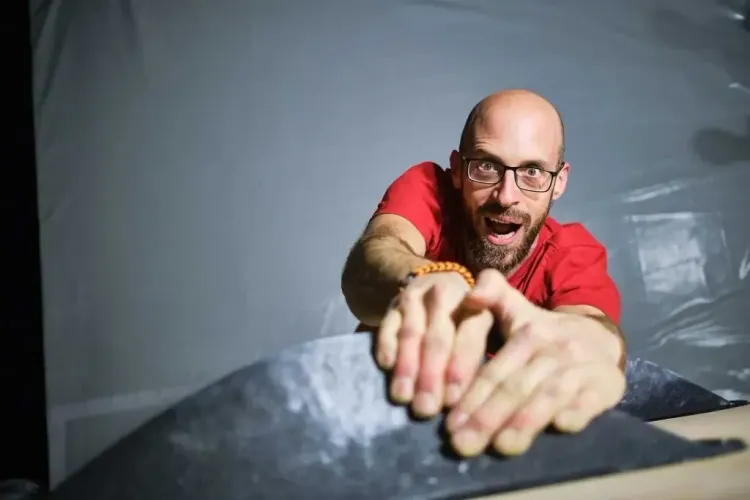
Climbing as stress relief after work in the city
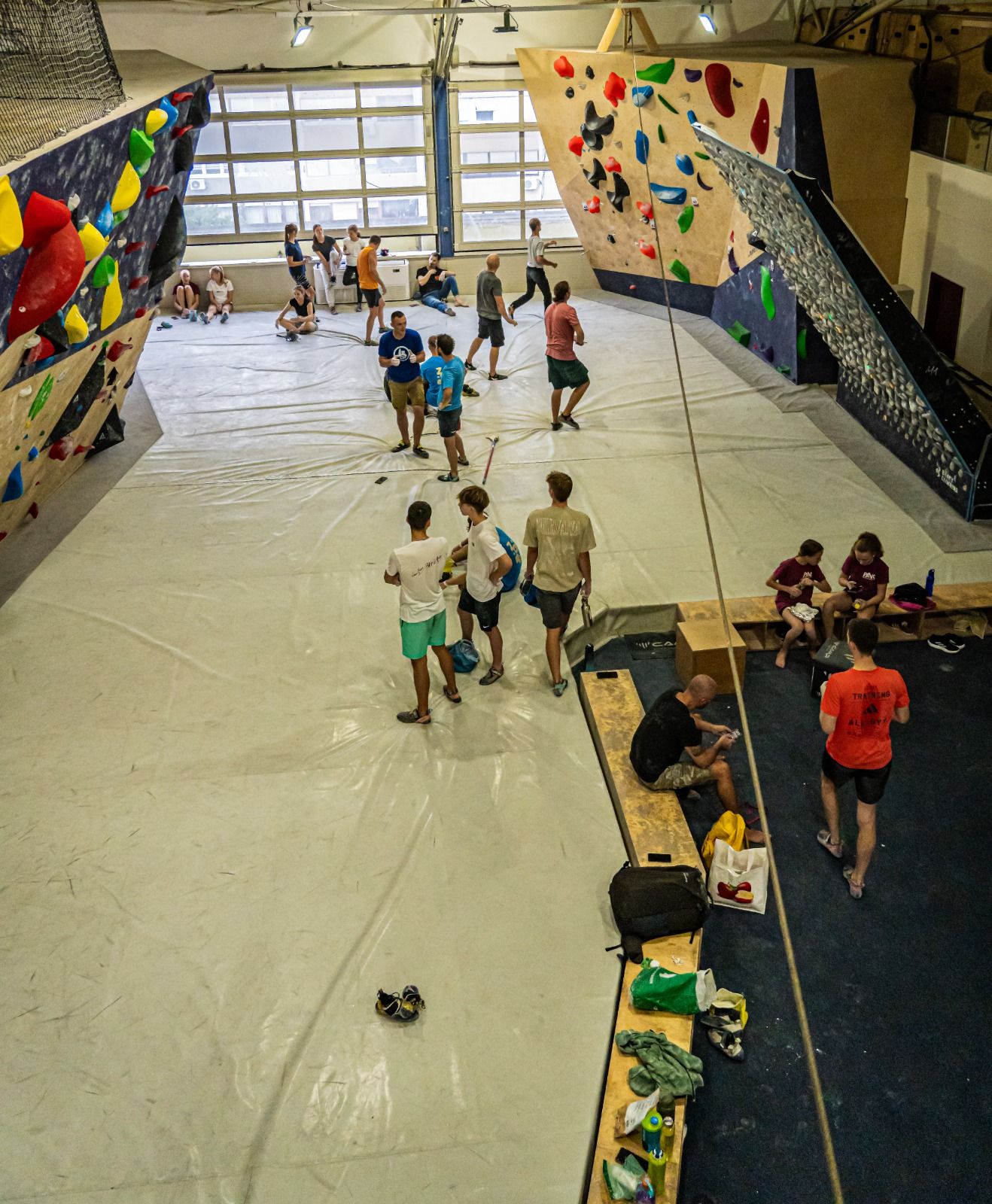
Crowds, deadlines, screens and hours of sitting take a real toll on your concentration, mood and body. When the working day is over, many people don't need another passive evening, but an activity that breaks the mental fatigue and brings back a sense of being present. That is exactly why climbing is an increasingly popular choice for people looking for a good way to reduce stress in the rhythm of city life.
Unlike activities that come down to mechanically repeating the same movements, climbing engages body and mind at the same time. Every problem is a small challenge: where to place your hand, how to shift your weight, when to bring in your foot and when to pause and think. This combination of physical effort and focus helps move your attention away from work obligations and onto what is happening in the moment.
Why climbing relieves stress
Stress often lingers in the body as tense shoulders, a stiff neck and a feeling of heaviness after a whole day of sitting. Climbing activates a large number of muscles, but not in a monotonous way. Every movement involves your back, core, arms, legs and stabilisers, so your body works in a connected, functional and purposeful way.
At the same time, the mental side of this activity is especially valuable. While a climber is looking for the solution on the wall or on a boulder problem, the room for everyday worries quickly shrinks. The mind turns to balance, breathing and the next move. For many people, this shift from scattered attention to deep focus brings a sense of relief, calm and control.
Regular sport climbing can also boost your self-confidence. What looked hard at first becomes doable after a few visits. That progress isn't abstract, but very concrete: a move that didn't work yesterday feels more natural today, and a challenge that was frustrating turns into a sense of achievement.
Movement that brings back a sense of being present
After work, not everyone is drawn to an intense workout without a clear goal. Climbing offers a different experience of movement. It isn't just a sport, but also problem-solving in motion. That's why many beginners are surprised by how quickly they forget their office fatigue once they're standing in front of the wall.
An important part of this experience is that progress isn't based solely on raw strength. Technique, balance, hip position, footwork and body awareness often matter more than the impression that you have to "pull" everything with your arms. This makes climbing accessible even to people who don't consider themselves particularly fit. A good climber doesn't just use muscles, but also a thoughtful way of moving.
Why indoor climbing is perfect for city life
In an urban setting, the biggest problem is often time. Heading out of town, finding a partner, sorting out gear and logistics simply isn't realistic for many people in the middle of the working week. That's why indoor climbing is particularly appealing: it is accessible, easy to fit into your schedule and flexible enough to slot into an evening session after work.
Bouldering is an especially good format for an urban lifestyle. You climb on lower walls, without a rope, with protective mats underneath, so getting started is quick and easy. A beginner can come in, warm up and very quickly start exploring moves, without any complicated preparation. This kind of training often suits a modern schedule much better than sports that need more organising.
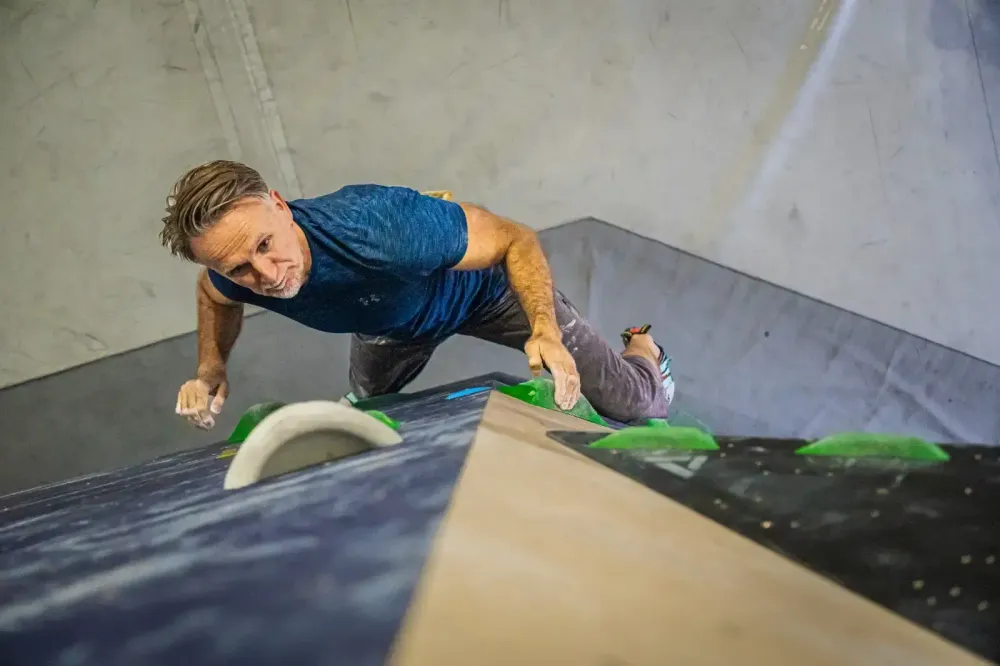
In a well-equipped gym, the variety on offer is an added bonus. Different climbing areas, technique walls, strength-training features and a warm-up space let everyone find the rhythm that suits them, whether they come for recreation, progress or a mental break from work.
Benefits for your body and mental health
Climbing is often seen as an upper-body sport, but the real picture is much broader. Regular training develops strength, mobility, coordination and core stability, and your legs play a special role, carrying a large part of every move. When you learn the technique properly, your body works more efficiently and more safely.
For mental health, the structure of the training itself matters too. A climber tries, makes mistakes, adapts and tries again. This process teaches frustration tolerance, patience and better management of your own expectations. In times of constant rushing, exactly this kind of experience can be very calming.
After climbing, many people don't just feel physically tired, but also have a clearer mind. That is the result of combining movement, focus and a break from the digital world. Instead of endless scrolling after work, climbing brings back the feeling that your free time has been really well spent.
Why it suits beginners too
One of the biggest advantages of climbing is that a beginner doesn't have to arrive "ready". All you need is a willingness to move and an openness to learning. The basic kit at a bouldering gym is kept to a minimum, and you can pick up the first steps quickly with expert guidance.
Beginners often think climbing is reserved for exceptionally strong or light people, but experience shows otherwise. Progress comes through technique, repetition and a better understanding of your own body. Just a few visits can change the way you use your feet, shift your weight and spread your effort. That experience of progress further boosts your self-confidence and your motivation to keep going.
That is exactly why a place like Boulder Zona plays an important role in everyday city life. A modern bouldering gym in Zagreb, with a large space, varied climbing areas and programmes for different levels of experience, makes it possible for climbing to become a sustainable habit rather than an occasional break from routine. When courses, structured training and conditions suited to both recreational and more advanced climbers are available, it is easier to turn this activity into a reliable answer to stress, tension and a sedentary lifestyle.
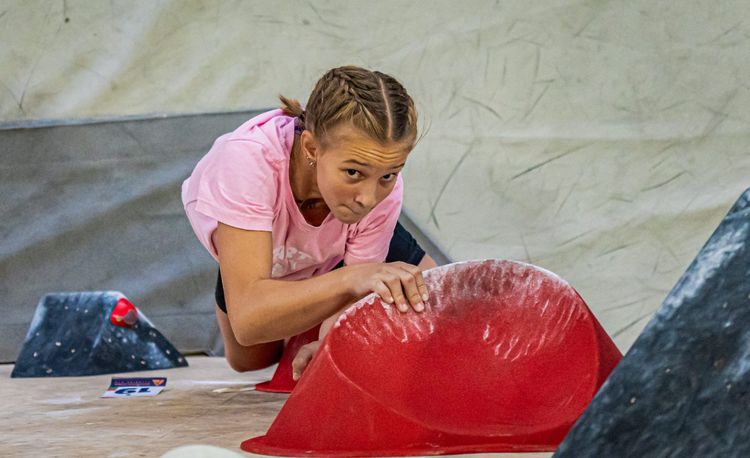
Art Rock League, round 3
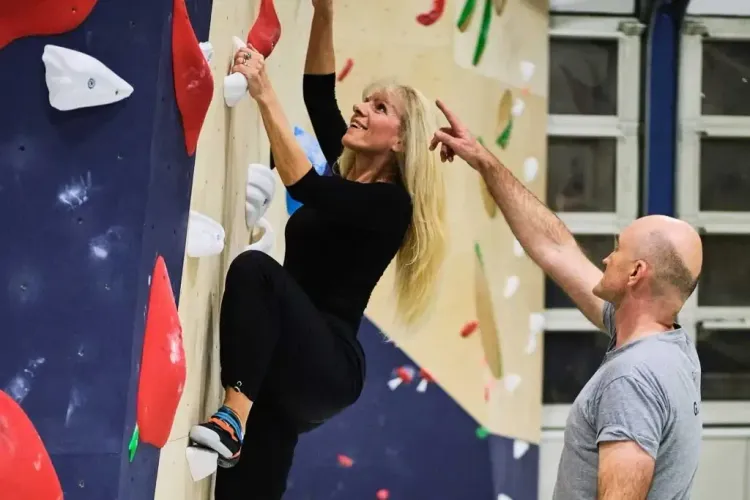
Team building in Zagreb: bring your team together through bouldering challenges
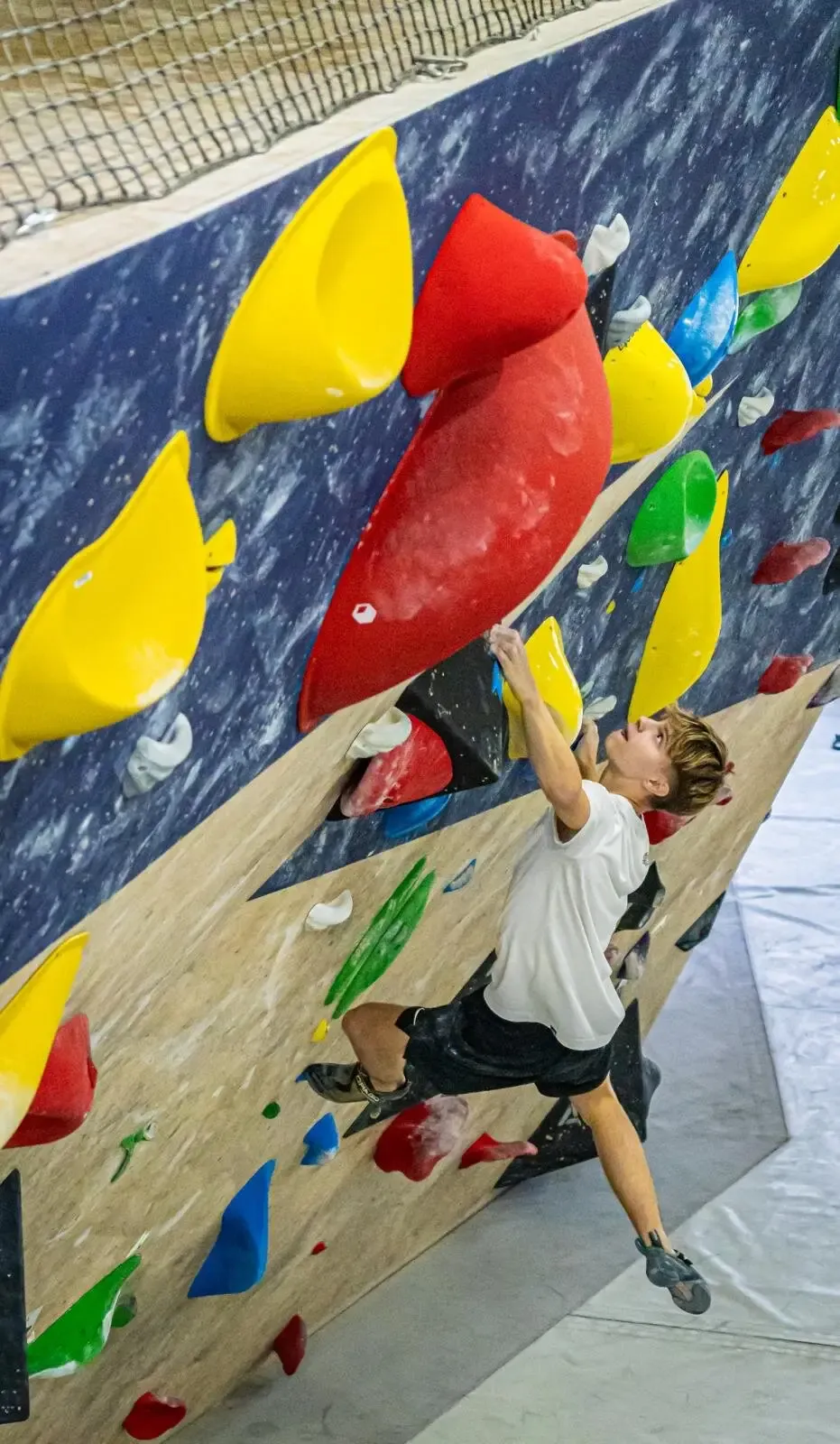
What do I need to know before my first visit to Boulder Zona?