Climbing for kids: what children learn through play
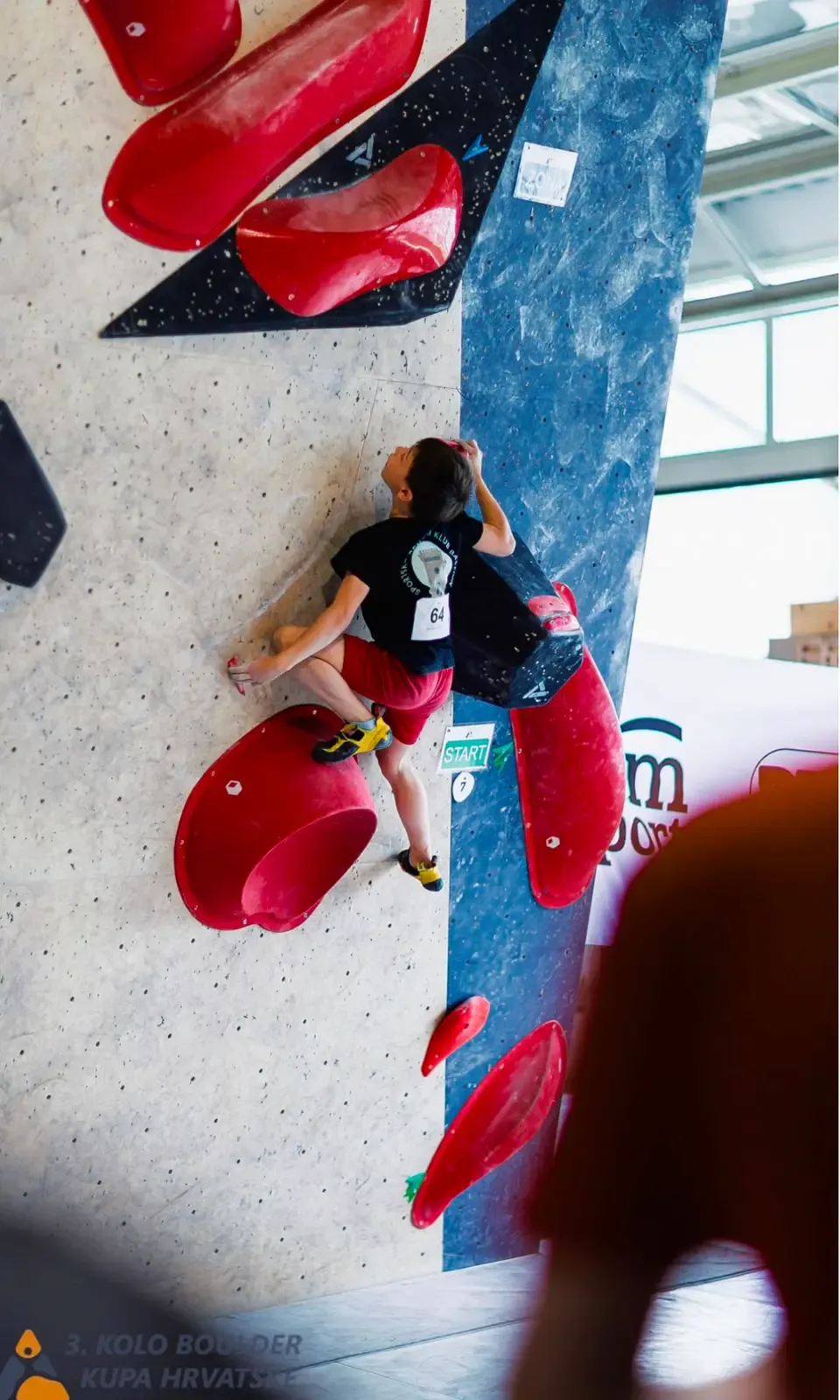
Climbing for kids combines movement, play and learning in a way that feels natural and appealing to children. When a child climbs, they don't just pick up a new sporting skill, they also develop coordination, balance, strength, attention and a sense of what they are capable of. That is exactly why more and more parents are choosing climbing when they want time well spent, healthy development and an activity that gives their children real value.
Why climbing comes naturally to children
From a very early age, children need to explore the space around them with their bodies. Climbing suits them because it involves hands, feet, sight, judging distance and a sense of balance. Instead of repeating the same movement over and over, every new problem is a small challenge that calls for thinking and adapting.
That is the great advantage of this activity. A child doesn't do the exercise just because they have to, but because they want to reach the next hold, solve the challenge and feel the success. Through this kind of play, motor skills develop without pressure and learning happens naturally.
Developing coordination and motor skills
One of the first benefits parents notice is better coordination. Climbing calls for the whole body to work together. A child has to think at the same time about where to put their hand, how to shift their weight and how to stay stable.
This kind of movement strengthens:
- gross motor skills through climbing up, climbing down and changing body position
- finer control of movement through gripping holds and placing their feet precisely
- spatial awareness, as the child is constantly judging direction and distance
- balance while shifting weight from one side of the body to the other
With children, it is especially important that these skills develop through fun. When an activity is interesting, a child stays engaged for longer and learning becomes a positive experience.
Self-confidence grows with every small success
Climbing gives children a very clear sense of progress. A problem that seems hard today can be within reach in a few weeks. The moment a child realises they can now do something on their own has a strong effect on their self-confidence.
It is also important that success in climbing isn't reserved for the fastest or strongest children. Every child can progress at their own pace. One will have a natural sense of balance, another persistence, another precision. That is why climbing isn't just a sport, but also a place where children learn that effort, patience and practice bring results.
Learning to solve problems through play
Every climbing challenge is really a little puzzle. The child looks at the problem, weighs up the options and looks for the best way to move. Sometimes the first attempt won't work, but that is exactly when an important part of the learning happens.
Through climbing, children develop:
- the ability to plan their moves
- concentration and focus on the task
- a willingness to try again after failing
- an understanding that there is more than one way to solve the same challenge
This experience is useful outside the gym too. A child gradually takes on a way of thinking in which an obstacle isn't a reason to give up, but a chance to have another go.
Climbing as a sport that encourages a healthy relationship with the body
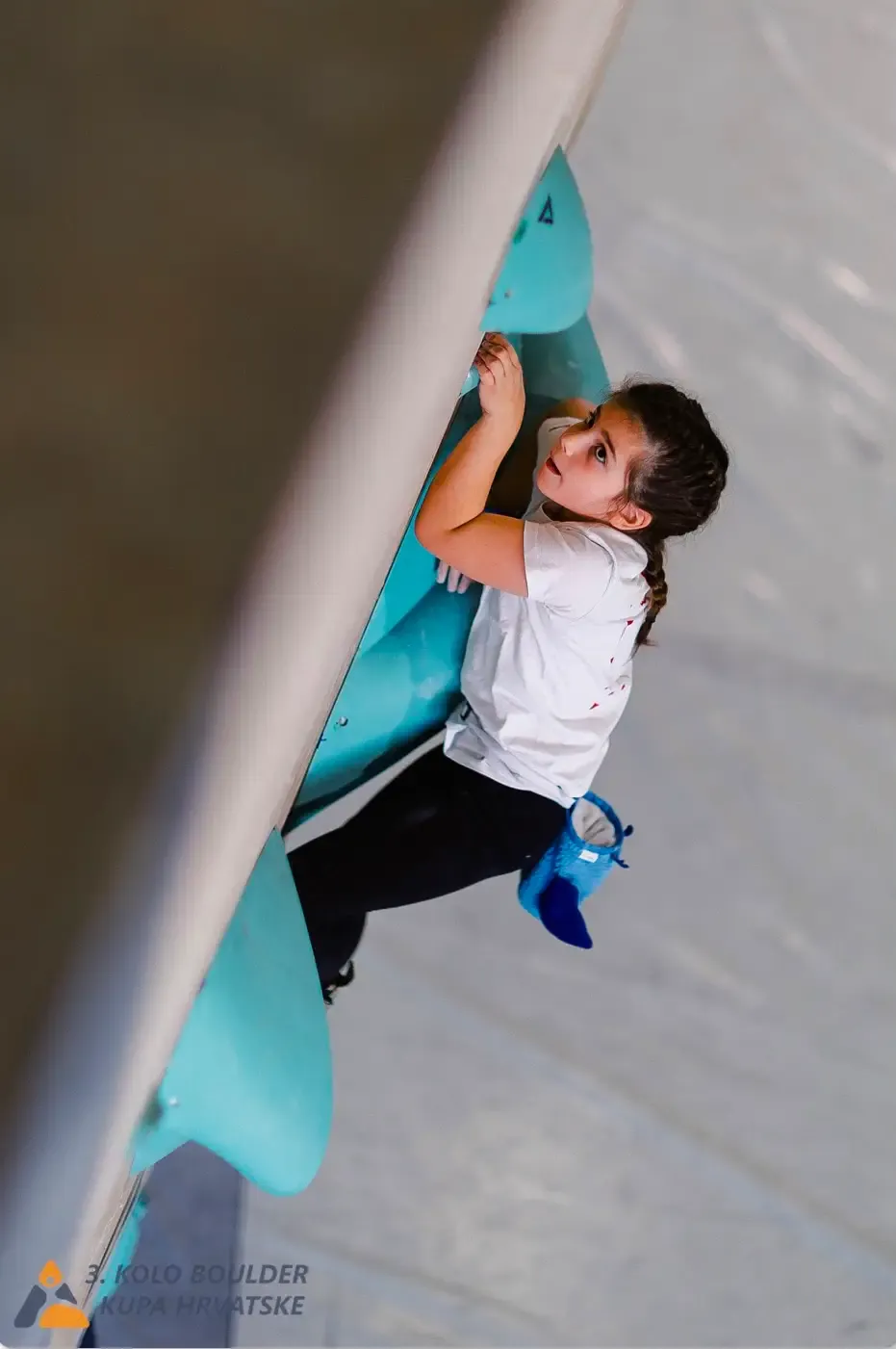
Through climbing, children get to know their own bodies in a practical and positive way. They learn how to move economically, how to use strength when it is needed and how to rest when they need to. They develop a sense of control, but also an awareness of their limits.
Unlike activities that come down to results or comparing yourself with others, climbing often puts the emphasis on personal progress. That helps children experience sport as a way of growing, not just as competition. This approach is especially valuable at an age when habits around movement, discipline and facing challenges are being formed.
Friendship, trust and a sense of belonging
Although each climbing problem is tackled individually, children are constantly talking, watching each other and cheering each other on during training. That is how they develop social skills that are just as important as their physical development.
In a group, children learn to wait their turn, listen to instructions, respect the rules of the space and support a friend when something doesn't work first time. An environment like this creates a sense of safety and belonging, which is an important foundation for long-term motivation.
Why play is key in kids' climbing
The best results come when climbing is adapted to children's age and stage of development. For children, play isn't an add-on to training, it is the most important part of it. Through play, a child picks up a new skill more easily, stays focused for longer and learns technique more naturally.
That is why structured programmes for children, such as kids' group training, combine elements of climbing with movement, tasks, obstacle courses and fun challenges. This way, a child doesn't just develop motor skills, but also a positive attitude towards an activity that involves effort, exploration and a sense of achievement.
A climbing camp as a mix of play, learning and time in nature
Programmes that combine climbing with time outdoors are especially valuable for children. A summer camp for kids is a great opportunity for children who love movement, challenge and being active. In a programme like this, the emphasis is on play and learning through climbing, along with time in nature, which gives children a broader and richer experience.
Time away from indoor spaces further encourages independence, resourcefulness and a connection with the world around them. Along the way, a child learns that climbing isn't just a sporting activity, but also a way of exploring their surroundings, growing confident in their own movement and building healthy habits.
When is the right time to start
Parents often ask how old a child needs to be to start. The answer usually depends on the programme, the approach and how well the content is adapted to the child's age. Most important is that activities are led expertly, safely and with a method that respects children's development.
When a programme is well designed, climbing can become a place where children grow both physically and emotionally. They learn how to overcome a challenge, how to believe in themselves and how to enjoy moving. It is exactly this combination of fun, development and a sense of achievement that makes climbing a valuable experience children remember.
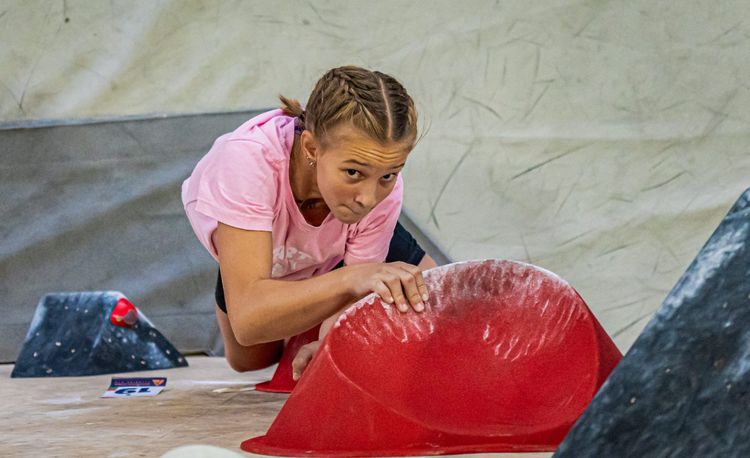
Art Rock League, round 3
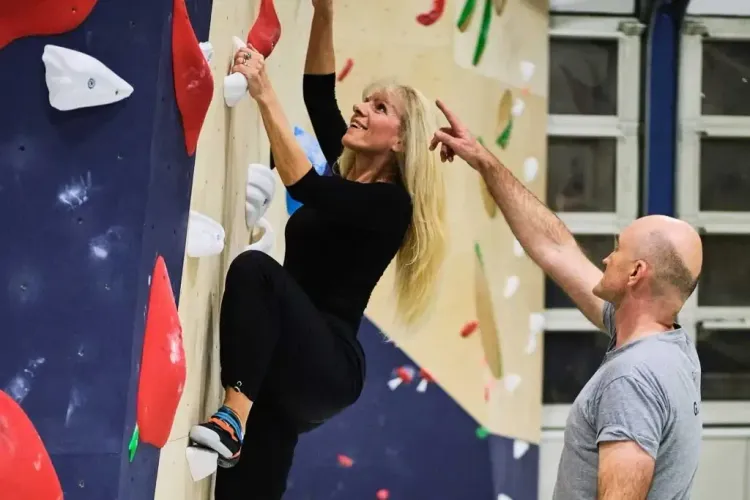
Team building in Zagreb: bring your team together through bouldering challenges
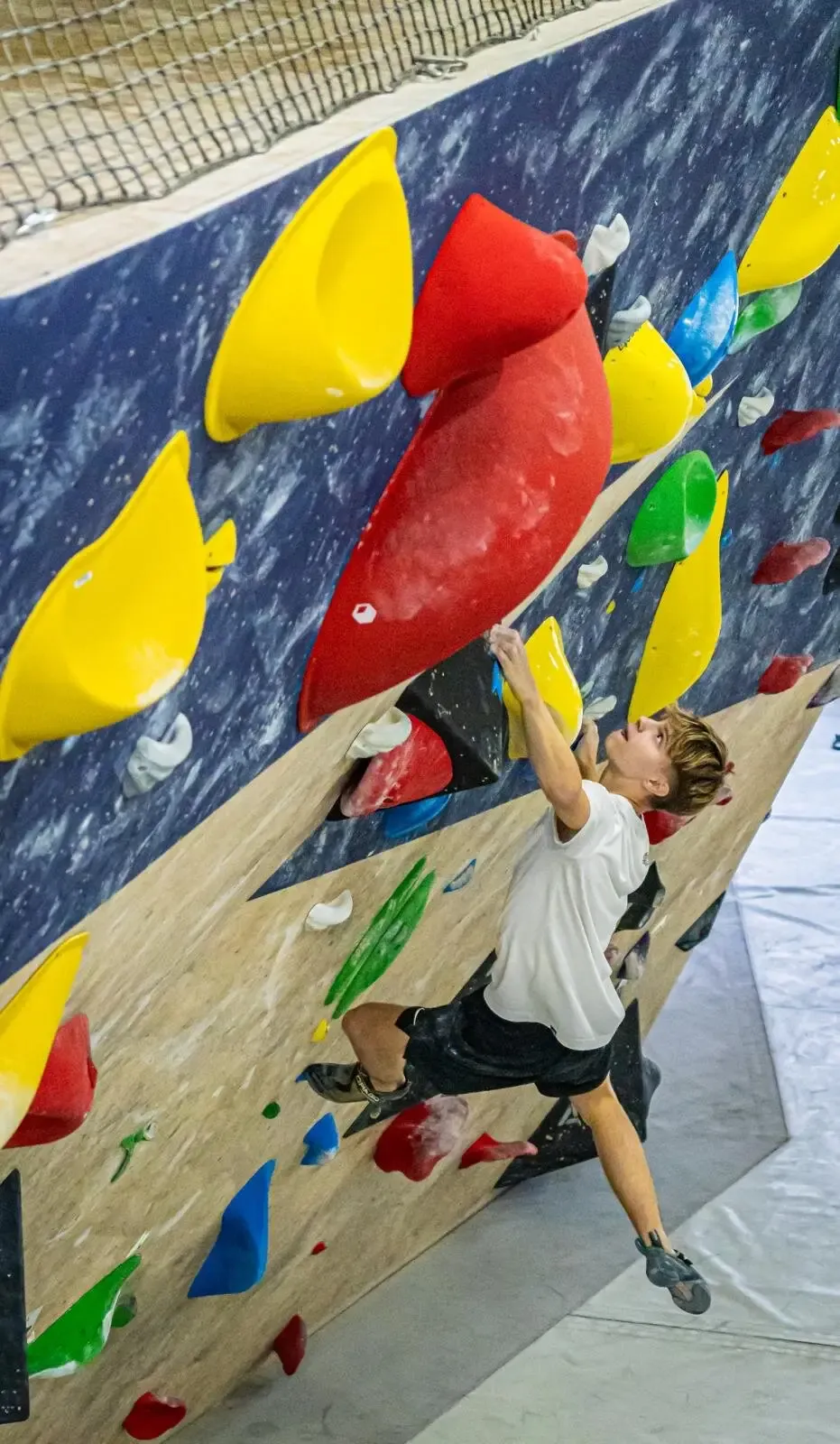
What do I need to know before my first visit to Boulder Zona?