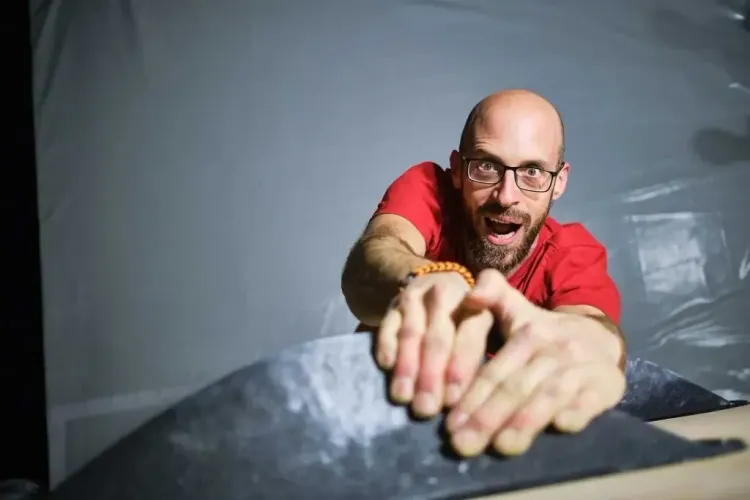
Round 3 of the Boulder Cup held at Boulder Zona, organised by SPK Art Rock
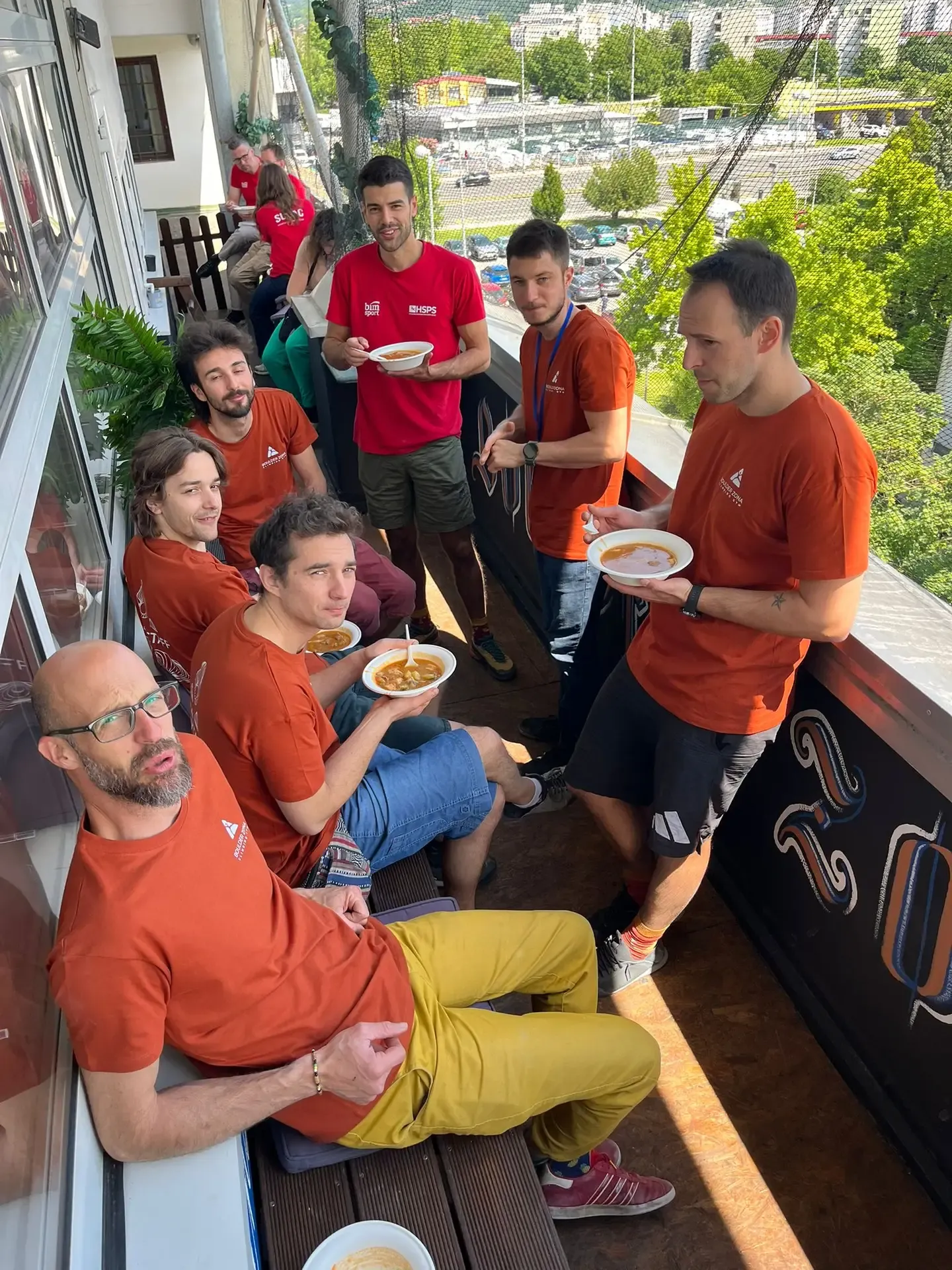
Round 3 of the Boulder Cup brought a large number of competitors, recreational climbers and sport climbing enthusiasts to Boulder Zona, confirming how important this gym is for the growth of the climbing scene in Zagreb. Organised by SPK Art Rock, the event once again brought together experienced climbers, younger competitors and an audience following the ever more dynamic rise of bouldering as a discipline.
The Boulder Cup stands out as a competition that demands technical precision, explosive power, body control and the ability to adapt quickly. Unlike climbing on real rock, here competitors take on set problems on an artificial wall, where every problem calls for a different approach, a different rhythm and often a completely different pattern of movement. That is exactly why bouldering holds a special place within sport climbing.
Boulder Zona as the ideal gym for competing and training
Boulder Zona is already known as one of the best-equipped places for climbing in Zagreb. Its 1500 m² of space makes it possible to run events well, as well as to host everyday training for beginners and advanced climbers alike. During a competition, the value of a well-designed space really shows: enough sectors for warming up and well-set competition problems.
For competitors, it is crucial that the gym gives them the conditions to show their full strength, coordination and feel for movement. Boulder Zona offers exactly that through its varied sectors and specialised climbing features. The Moon Board, Kilter Board, Campus Board and Spray Wall aren't just important for training, but also for the long-term development of climbers who want to progress from recreational climbing towards a more serious competitive level, especially through climbing courses and training.
What a bouldering competition looks like
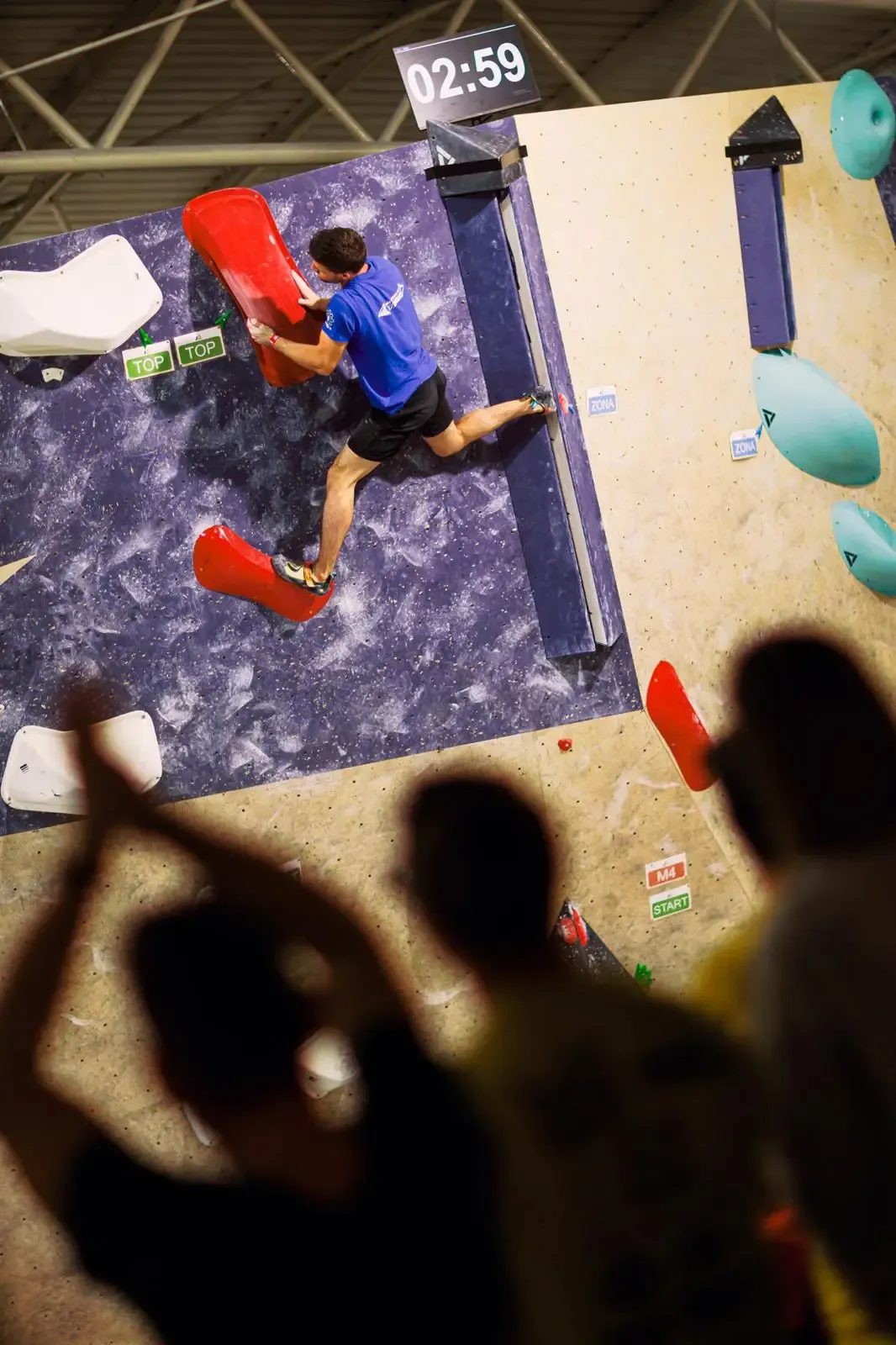
Bouldering is a distinctive discipline because you climb without a rope, at lower heights, protected by thick mats that cushion a fall. Although there is no conventional belaying, that doesn't make it a simpler form of climbing. On the contrary, every attempt demands maximum concentration, explosive power and tactical thinking.
At a competition like this, every climber faces a series of problems they have to solve within a limited number of attempts or a set time, depending on the format. The rules are clear: points are awarded for topping a problem, the number of attempts and control of the key holds. Every result depends on the ability to read the problem, economy of movement and mental composure under pressure.
That is exactly where the appeal of bouldering lies. Spectators don't just watch the physical effort, but also the process of working out the problem. Whether a competitor chooses a dynamic move, a static weight shift or a different body position often decides whether they make a successful ascent.
Why sport climbing is becoming ever more popular
Sport climbing has grown strongly in popularity in recent years because it combines physical challenge, mental engagement and very measurable progress. Unlike many other activities, progress here shows not only in greater strength but also in better technique, more precise movement and more effective reading of problems.
Bouldering is especially appealing because it is easy to get into. The kit you need is fairly simple: climbing shoes, chalk and suitable clothing are the basics. At a gym like Boulder Zona, beginners can learn the basics of climbing safely on an intro course, while advanced climbers have everything they need for serious training in strength, coordination and tactics.
It is also worth noting that experience gained on an artificial wall often carries over to climbing on real rock. Although the conditions are different, a feel for balance, weight transfer, grip and planning your moves remain the fundamentals in both forms of the sport.
The role of the club and the community in developing climbers
Organising an event like this shows how important clubs are for developing the local scene. Through competitions like this one, SPK Art Rock helps promote climbing as a serious yet accessible sport. The competitive format adds extra motivation, while the presence of the wider community creates a sense of belonging that is hugely important for staying in the sport in the long run.
For younger generations, events like this have added value. By watching more experienced competitors, children and beginners can more easily understand what technical progress means, what controlled movement looks like and how much discipline, consistency and a good programme matter for development. Climbing isn't just a test of strength but also a sport that teaches patience, decision-making and trust in your own abilities, and group training offers extra support along the way.
The Boulder Cup as a boost for the further growth of sport climbing
Hosting Round 3 of the Boulder Cup at Boulder Zona showed that Zagreb has the space, the audience and the community for this sport to keep growing. Good organisation, interesting problems and a great atmosphere create a setting in which the competition matters not only for the rankings but also for the whole experience participants take away with them.
Events like this further raise the profile of sport climbing, bring new people into the gym and lay the foundations for future generations of competitors. When good facilities, an expert approach and an active community come together, the result isn't just a successful competition but a big step forward for the whole climbing scene.
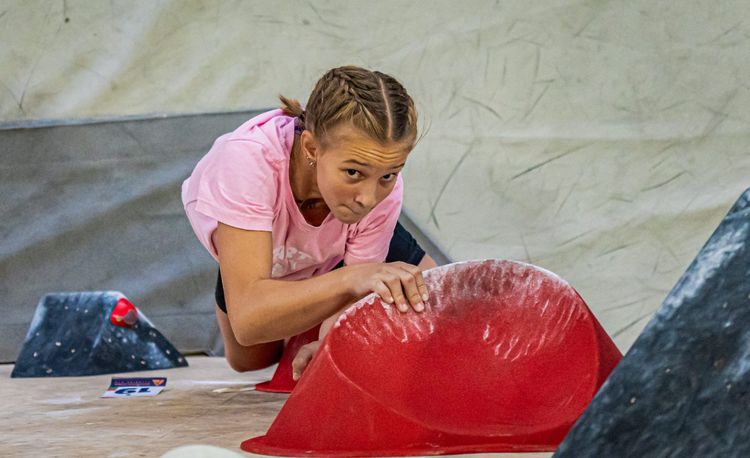
Art Rock League, round 3
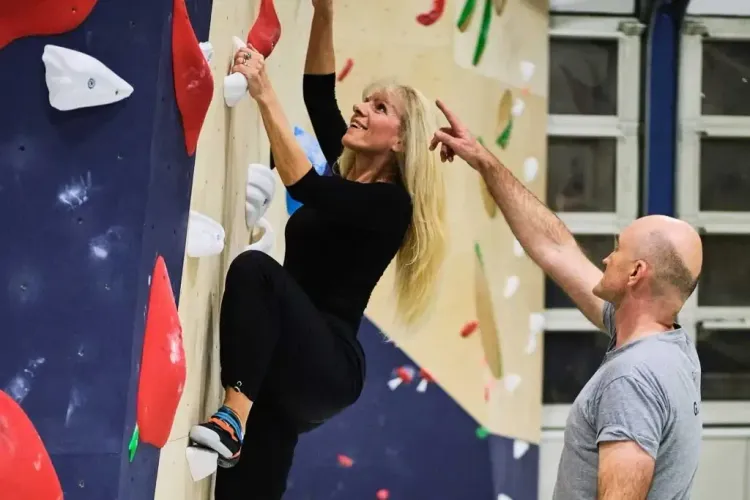
Team building in Zagreb: bring your team together through bouldering challenges
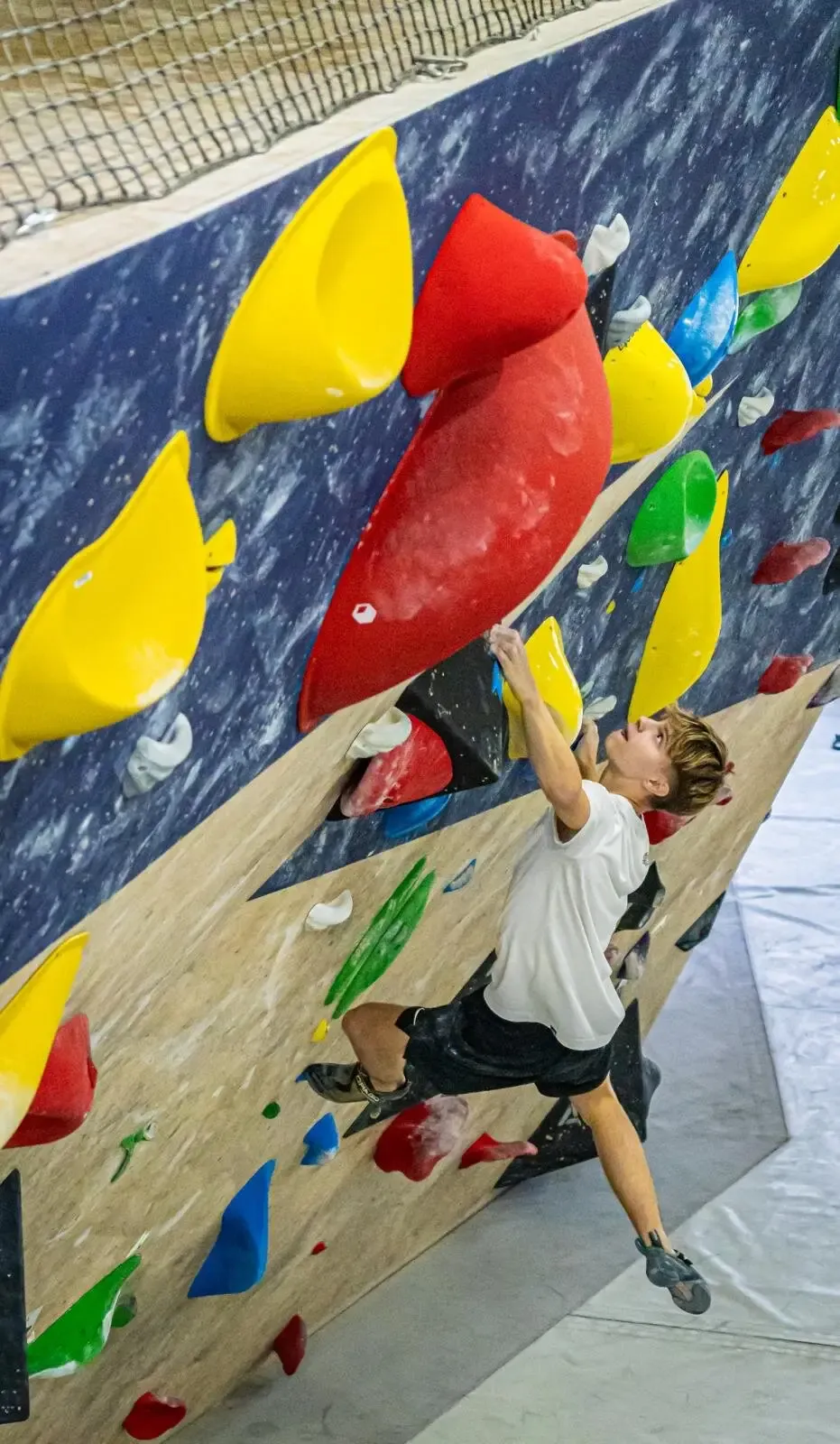
What do I need to know before my first visit to Boulder Zona?