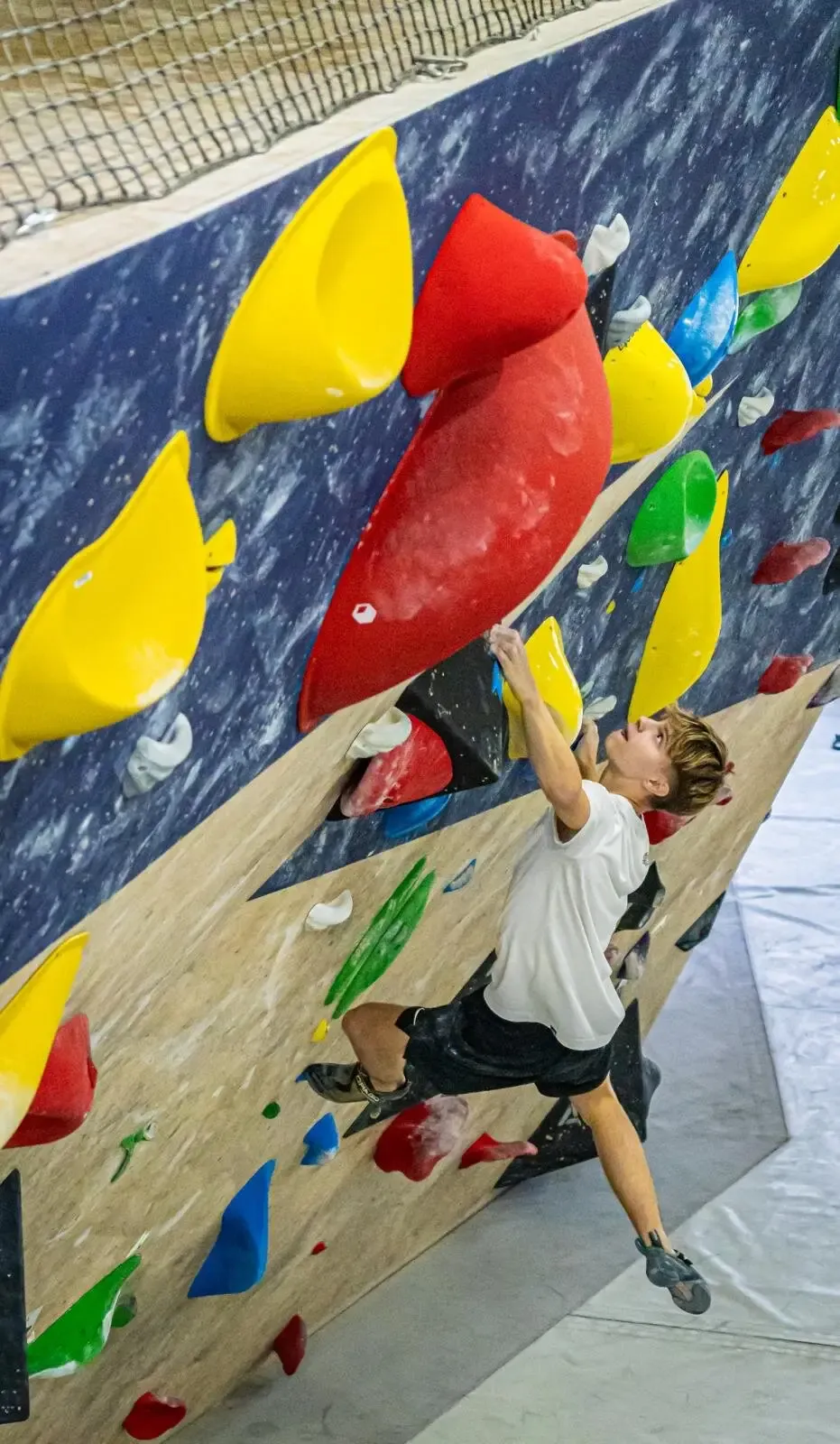
Team building through bouldering: challenges that unite
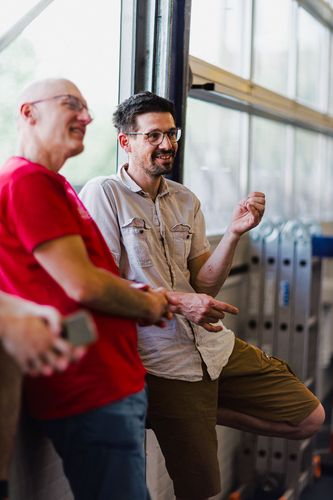
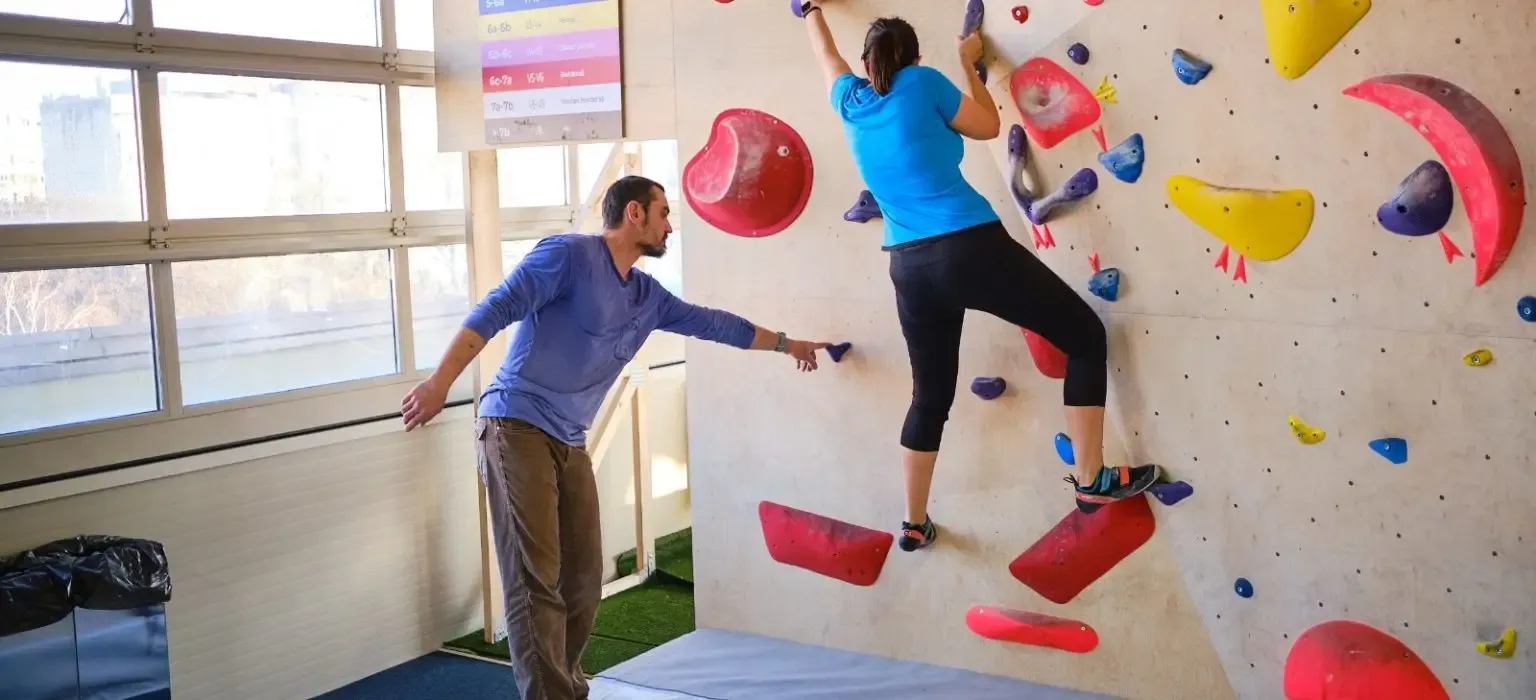
Team building through bouldering turns collaboration, communication and mutual trust into a real shared challenge. Instead of the usual get-together where some employees end up on the sidelines, climbing gives every member of the team the chance to take part in a way that suits their abilities.
Bouldering takes place on lower walls, without ropes, above soft crash mats. You don't need any previous climbing experience, special fitness or your own kit to take part successfully. That's exactly why this team building activity can bring together colleagues of different ages, fitness levels and roles in the company.
Why choose bouldering for team building?
Every boulder problem is a puzzle you solve with the right sequence of moves. The climber has to judge where the holds and footholds are, pace their strength and adapt their original idea if it doesn't work. When a group tackles the same challenge, patterns that matter at work develop naturally.
Colleagues watch the attempts, suggest a different way of moving and encourage the person on the wall. One person will quickly spot the solution, another will show patience, and a third will help the team organise the next attempt. The goal isn't just to reach the top hold, but to find an effective solution together.
An activity like this can improve:
- communication between colleagues
- trust and a sense of belonging
- creative problem-solving
- adapting to new circumstances
- recognising individual strengths
- team spirit without forced formality
Unlike outdoor activities, an indoor programme doesn't depend on rain, temperature or any other weather conditions. That makes organising team building simpler, especially when you need to agree on a date with a larger number of employees well in advance.
What does a bouldering team building programme look like?
The programme starts with getting to know the space, the basic safety rules, the most common beginner mistakes and how to move on the wall. Participants learn how to start and finish a problem properly, get down safely and use their legs and body position instead of relying only on arm strength.
After the warm-up come tailored climbing tasks. Depending on the size of the group and the aim of the event, people can split into smaller teams that collect points, solve problems together or work through fun challenges. The game isn't focused only on the most successful individual. A well-designed team building programme rewards collaboration, support and every member's contribution.
More experienced participants can try their hand at harder problems, while beginners pick more accessible ones. A variety of holds, footholds, angles and climbing styles makes it possible to create tasks where physical strength isn't the only advantage. Balance, precision, thinking things through and communication often play just as important a role.
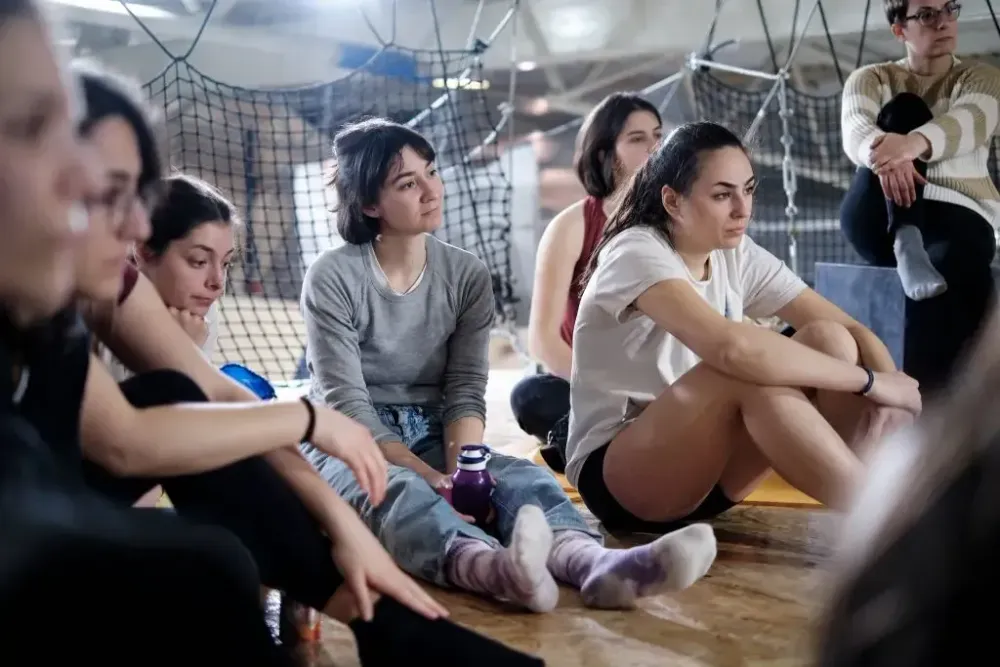
An activity where every employee has their place
In company teams, familiar roles easily set in: one person leads, another analyses and a third mostly goes along with the decisions. Bouldering can change that dynamic. The colleague who's quieter in meetings might be the first to spot the best move, while the experienced manager may need to take a colleague's advice.
That shift in perspective helps team members get to know each other outside their everyday work context. Attempting things together creates room for spontaneous conversation, humour and support. Success becomes visible and immediate, whether it's a finished problem or getting just one hold further than on the last attempt.
It also matters that participants can progress at their own pace. Someone who doesn't want to climb a harder problem can still take part in the analysis, the cheering and the team strategy. That takes the pressure off while keeping everyone feeling included.
What should you consider when organising team building?
Before booking, it helps to define the number of participants, the rough length of the programme and the main goal of the event. One team might want a relaxed get-together, while another is after structured tasks focused on communication or collaboration.
Participants should bring comfortable sportswear they can move freely in. Details about footwear and other kit are confirmed when you arrange the programme. Previous experience isn't required, as the tasks can be adapted both for beginners and for people who already know bouldering.
Boulder Zona in Zagreb covers 1,500 m² and offers dedicated climbing zones, an area for warming up and stretching, and everything needed for organised group activities. Different types of walls make it possible to shape the programme around the participants' experience and abilities, without the whole team having to do the same task.
Team building through bouldering particularly suits organisations that want an active experience with a clear shared goal. Every attempt opens up a new chance to agree, adapt and support each other, and a completed challenge becomes the achievement of the whole team, not just the person who reached the last hold.
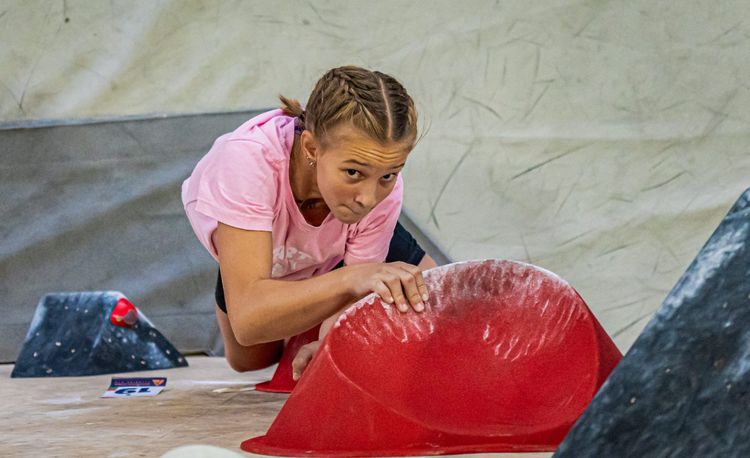
Art Rock League, round 3
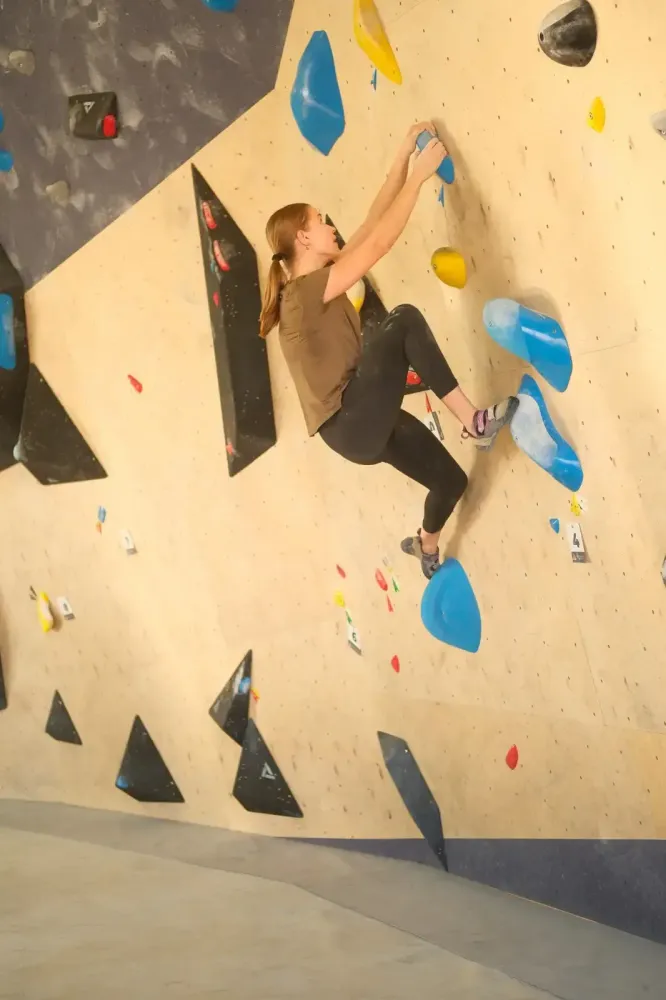
The most common beginner mistakes in bouldering
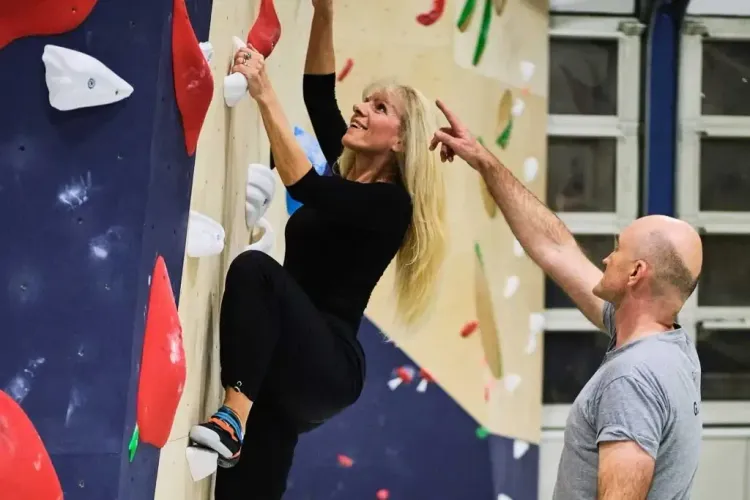
Team building in Zagreb: bring your team together through bouldering challenges