What you actually train when you climb boulder problems
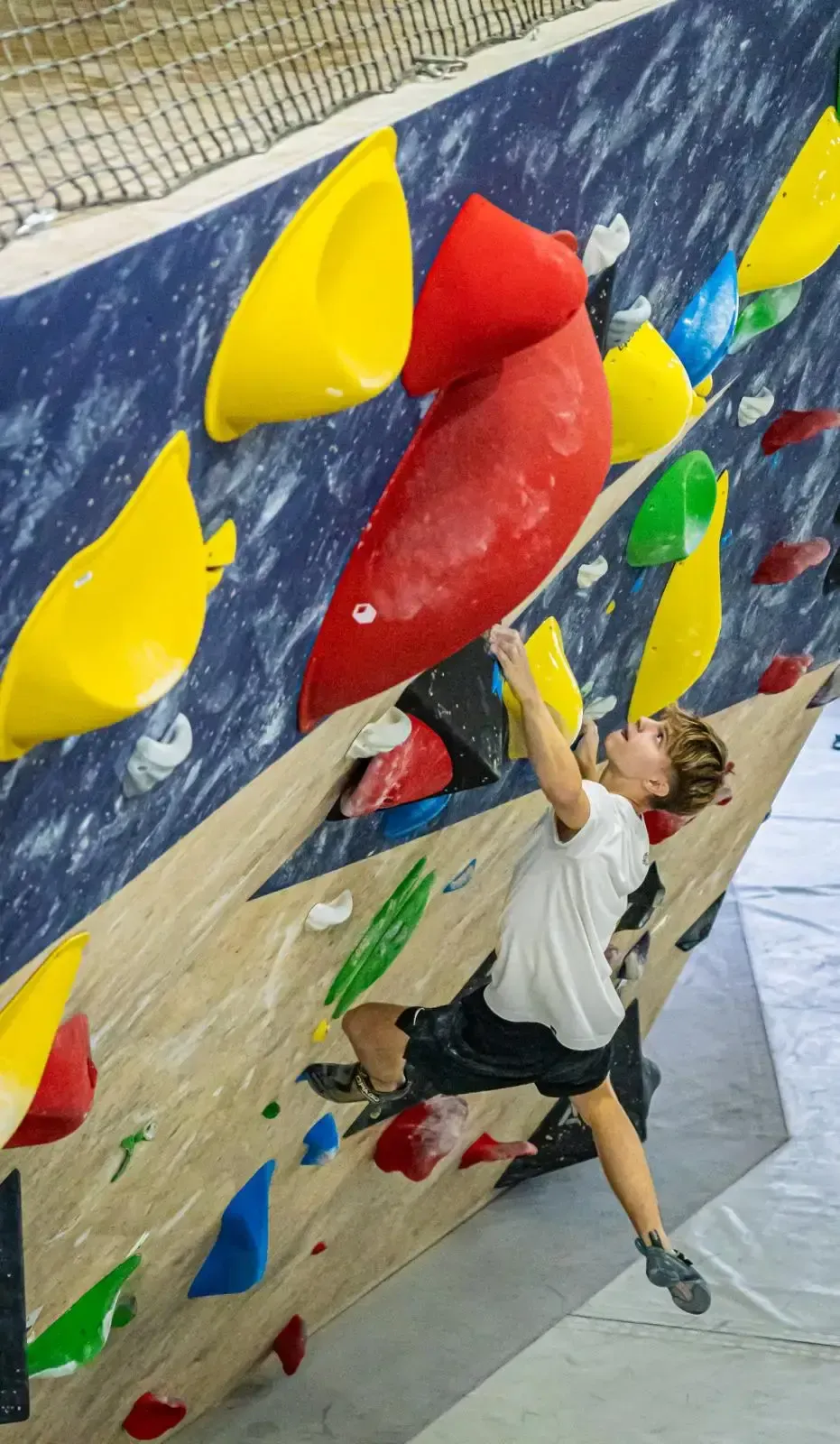
Modern bouldering often looks like a mix of climbing, gymnastics and parkour: jumps onto volumes, “run and jump” starts, quick changes of direction and coordination moves that rarely come in the same form on real rock. Over the last ten years or so, indoor sport climbing has sped up the evolution of movement, and route setters increasingly test dynamics, timing and commitment as much as “pure” strength. Still, underneath that modern layer lies the same foundation: the ability to control your body, transfer load through your feet and hands, and solve the problem efficiently — exactly what you need when you move from the gym to real rock.
Bouldering as problem-solving training, not just muscle training
Every boulder problem is a little puzzle: where to put your foot, when to do a hip turn, how to distribute pressure on a hold. This process isn't only mental; it's physical literacy in practice. As you climb, you train problem solving through repeated attempts, corrections and learning from your mistakes. That's why climbers often feel “stronger” after a period of bouldering even without gaining much muscle mass: the body becomes more efficient.
In a gym like Boulder Zona, where problems are changed often and set with a purpose, this part of training becomes especially visible: you improve because you understand movement better, not just because you “squeeze harder”.
Stronger grip and forearms: what's really going on
When people mention forearms, most immediately think of “pump” and finger endurance. But bouldering primarily builds strength and the ability to handle short, maximal loads: a powerful grip, fast finger activation and wrist stabilisation. A stronger grip isn't just the result of “strong fingers”, but also of better coordination between your fingers, hand and forearm, and more efficient engagement of your shoulder girdle.
In other words, progress doesn't come only from doing more — it comes from learning how much pressure you need, where you need it and when to release it to save energy.
Feet and control: the hidden engine of climbing
In modern bouldering, your feet solve problems just as much as your hands. You train precision, friction and quick foot placements, as well as the micro-adjustments that keep you balanced on poor footholds. Good footwork reduces the load on your forearms and fingers, and your climbing becomes quieter, calmer and more secure.
Here, control means several things at once: control of your hip position, control of your centre of mass, control of your pace. When you learn to “stand on your feet” and trust friction, you build a habit that transfers perfectly to real rock, where reading the texture and precise footwork are often decisive.
Stability, shoulder blades and the rotator cuff: the shoulder as the foundation
The dynamics and large ranges of motion in bouldering put more demand on the shoulder than the classic static style. That's why, alongside your back and chest muscles, you're constantly training the “invisible” part too: shoulder blade stabilisation and the muscles that keep the head of the upper arm bone in a safe position. The rotator cuff plays a key role here, especially when catching holds on the move, hanging on one arm or making sudden changes of direction.
When your shoulder blades are stable, pulling becomes more efficient and the risk of overloading goes down. That's why structured training at the gym is so valuable: you progress faster when you also strengthen what you can't see in the mirror, and that's crucial for climbing in the long run.
Whole-body movement: coordination, explosiveness and “parkour” elements
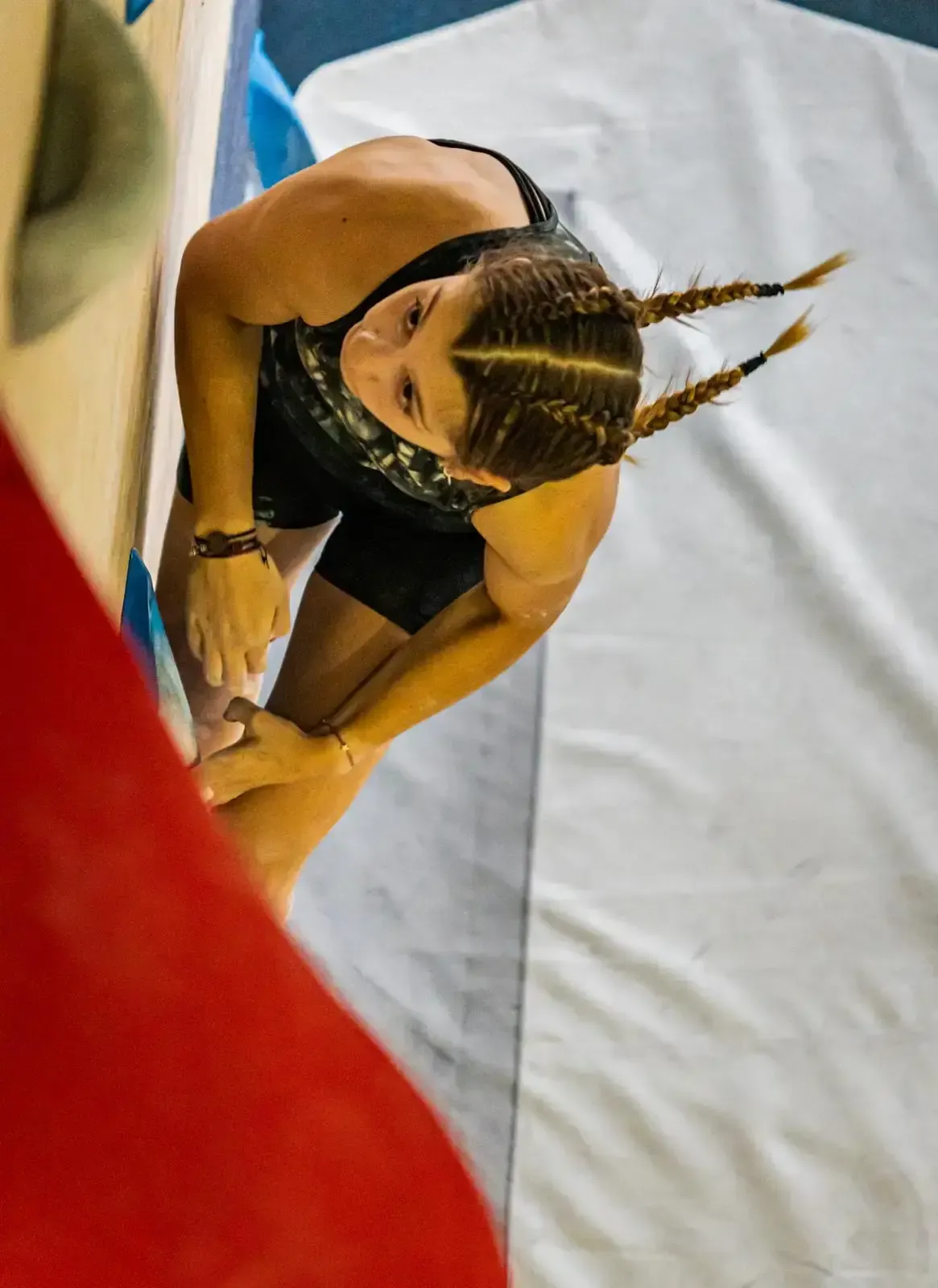
Modern bouldering often includes jumps, spins, grabbing volumes and moving across large surfaces. This strongly develops whole-body movement: synchronising your arms and legs, timing, and the ability to “lock” a position in a split second. In practice, you train:
- force transfer through your core (anti-rotation and rotation control)
- fast activation of muscle groups
- stability when landing and catching
- spatial precision, as in coordination sports
Although these elements sometimes seem far removed from climbing outdoors, they build your capacity for the unexpected: a bad hold, a slipping foot, the need to quickly grab a better position. This is one of the greatest benefits of indoor bouldering — it prepares you to stay calm and capable when the situation changes.
Muscles you train while you're “just climbing”
Climbing doesn't isolate a single area; it's many muscle groups working together in a chain. The ones that work hardest are:
- fingers and forearms for holding on and managing your grip
- back and the muscles around your shoulder blades for pulling and positioning your shoulders
- core for stability and transferring force between your arms and legs
- glutes and legs for pushing, balance and friction control
That's why bouldering can work as a full-body workout, but in a specific, “climbing” way: you don't just build strength, you also build the ability to use that strength in awkward positions, under rotation and in limited time.
Training for kids: developing coordination with supervision and structure
For children, bouldering can be extremely beneficial because it naturally encourages play and exploring movement, while also developing coordination, balance and spatial awareness. When sessions are structured and coached, kids learn the basic patterns: how to land safely, how to use their feet, how to read a problem and how to gradually build confidence.
In a group, social skills develop too: cooperation, support and healthy competitiveness. A bouldering group like this often becomes a motivating environment in which kids learn more easily, because the challenge is clear and the progress is visible from one attempt to the next.
High calorie burn and an “unnoticed” conditioning effect
Bouldering is often seen as a short, explosive activity, but real training involves repeated attempts, rests, analysis and more attempts. This cycle can lead to a high calorie burn, especially when the problems are dynamic and you do several sets in an hour. But more important than the numbers is the fact that your fitness is built in a specific way: through repeated intense efforts and learning how to recover your grip, breathing and focus faster.
In the end, when you climb boulder problems, you train more than your “arms”: you train a system that connects strength, stability, footwork, control and smart problem solving — exactly the combination that, regardless of trends in modern route setting, still makes a good climber both in the gym and on rock.
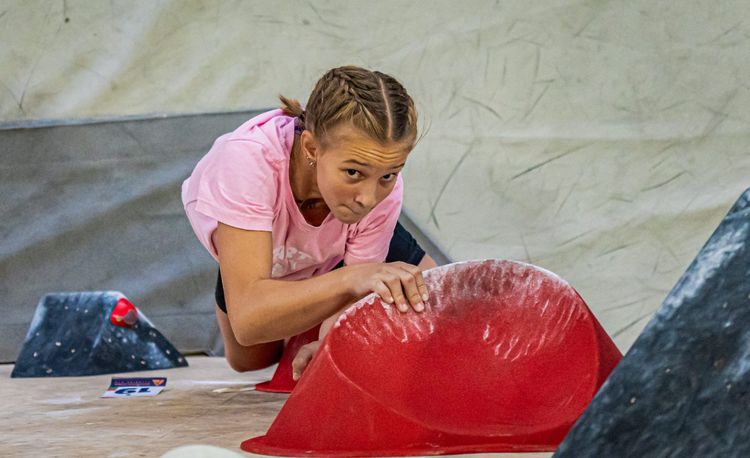
Art Rock League, round 3
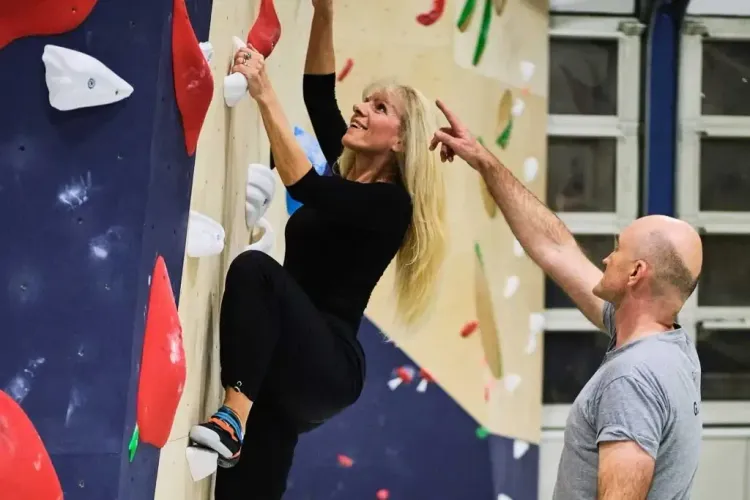
Team building in Zagreb: bring your team together through bouldering challenges
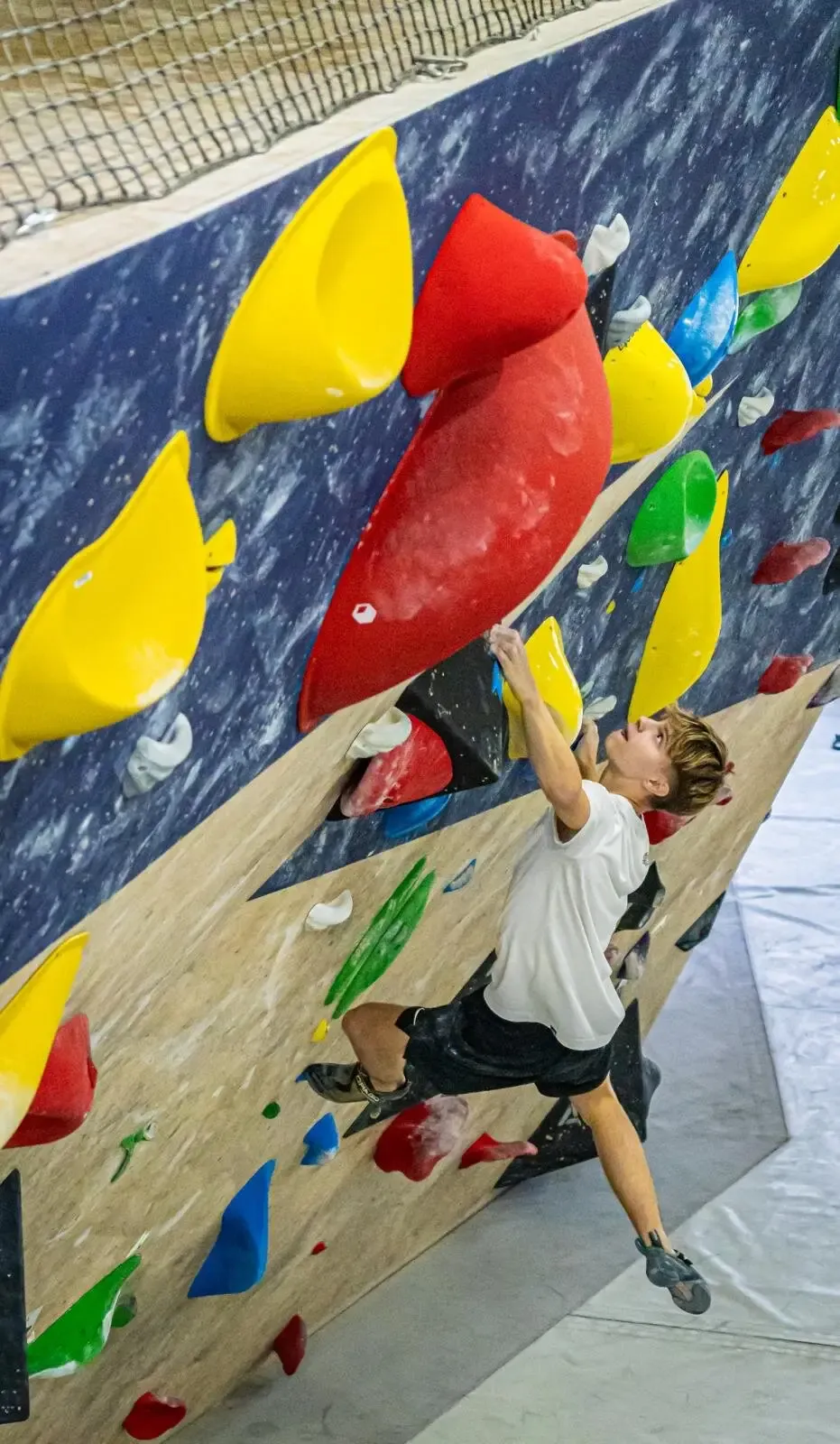
What do I need to know before my first visit to Boulder Zona?